โรงแรมโคโม เมโทรโพลิแทน กรุงเทพฯ 27 S Sathon Rd, Thung Maha Mek, Sathon, Bangkok 10120, Thailand
… more pix n videos on Google Maps
Definitely will return.
Love their ambience and the thin crystal stems. Dark lattice wood made the room feeling cool, especially when one comes in from the hot weather, and the hustle and bustle of Bangkok.
Good service and great food, too much of it – we’ve their tasting menu. …
I particularly liked the stir-fried young fiddlehead ferns and Wagyu beef. Two soups, one pungent which I like and the yellow cream was sweet, which I don’t like: pretty extreme.
The outdoor section of the restaurant is on the narrow side of the rectangle pool. At night, the pool looks equally beautiful.
Definitely will return: one of the better Thai food I’ve had, so far, thank you.
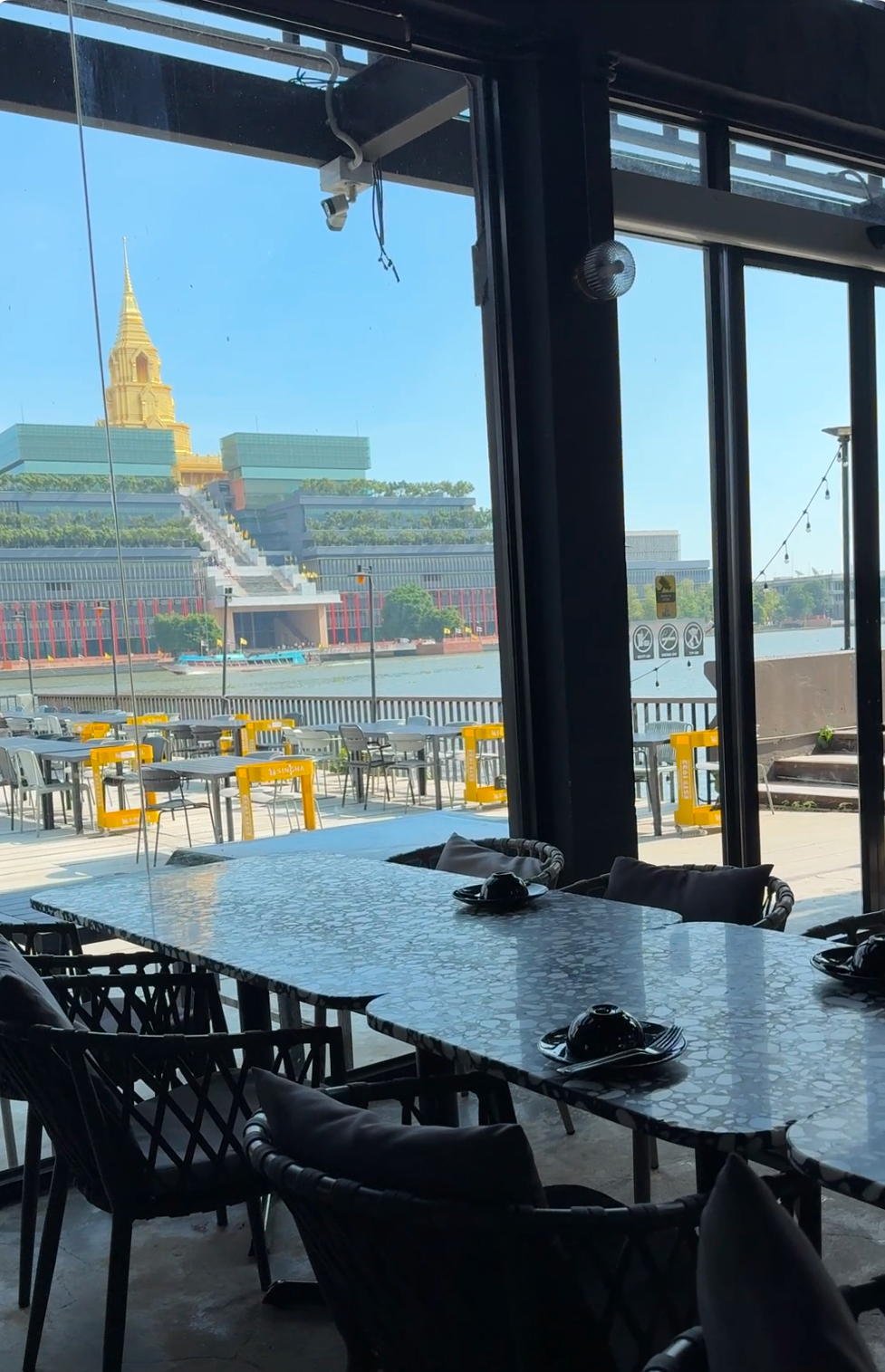
It’s on the water; an early afternoon, on the last Friday of November. Coming out of car, I thought we could sit outside under the shade. But the young server suggested inside. And we did: he knows better because it was pretty hot.
Airy space, industrial decor; half the room has second floor.
We ordered three but got two and both are delicious:
Retail catfish – very pungent
Fried tofu – oh so soft
Clams didn’t come unfortunately but I didn’t push either.
We started by watching a short video, about 8 minutes long, giving an overview of Thailand’s place in the world of gem stone. Neat, clean display, and staff is helpful, not pushy, at least the lady who follows me around and only steps forward when I have a question, thank you.
During a Thursday lunch hour, we’re the second table there.
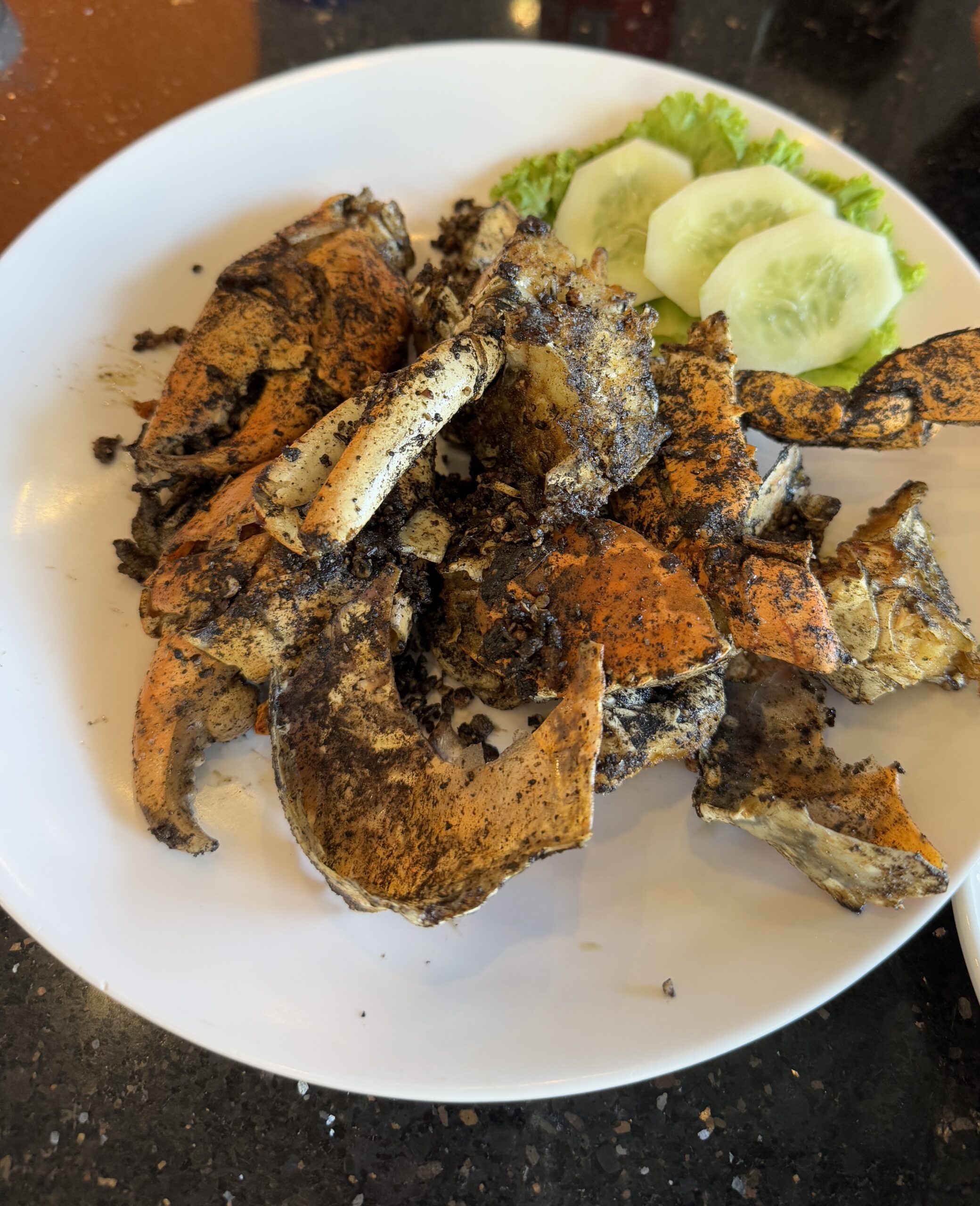
The decor and menu books show their 60 plus years in business. The seafood tanks are indoor, most of them are empty except the crabs. The wine cabinet is dusty, and totally devoured of any trace of wine.
I picked a crab (as if I know which one is good or better than the rest) and have it done in pepper. Very yummy but the skinny legs, which are my favorite, are hard to eat because most of the meat are hardened by the burn. If you like to pick a crab clean, don’t choose this method.
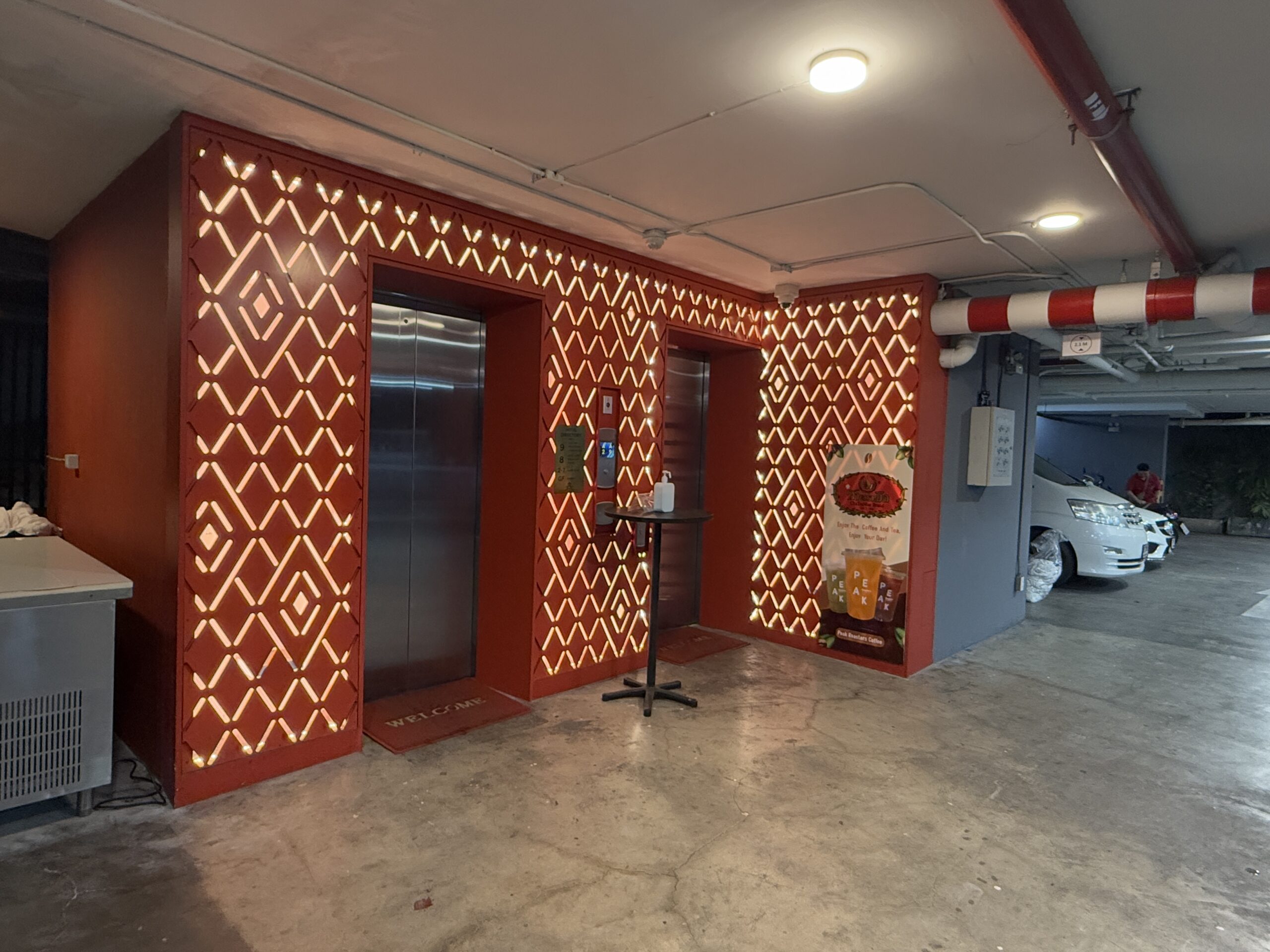
Roof top hot pot, on top of Pannarai Hotel, entrance is in the garage.
Spacious. Good service. Good food.
The space between tables is very large. When we arrived, a small group German tourists was there, debating if to stay but ultimately against it, leaving us the only diners there.
Shabu-shabu is Japanese name for hotpot, a meal where you dip your food into the boiling pot on the table yourself, piece by piece. The ingredients are (in general, it varies by region …) thin sliced meat, seafood, veggies, tofu, taro, and anything you desire.
Although Japan had invaded China twice in the near past, 1894 and 1937, she was a vassal state of China during the Tang Dynasty, and tributary as late as Qing dynasty. They might have invented the term ‘shabu’ in 20th century but the cooking method is ancient in China, where we call it hotpot.
I’ve hot pot almost weekly at home. The heart and soul of hotpot is the boiling base soup and the sauces on the side, such as soy sauce, vinegar, garlic, scallion, etc., you mix it yourself to your liking.
This restaurant serves side dishes, which in my view is unnecessary but maybe a thing the locals enjoy. They offer a la cart or buffet, which we chose.
Due to communication and darkness, I picked four side dishes (the middle age staff encouraged me to pick more…) but I only ate edamame, which is really good. The sliced meats are good, and the vegetables are fresh. Their sauces are not to my taste – I generally don’t like Thai cuisine due to its sweetness. But the boiling soups are flavorful and salty enough that I don’t really need the dipping sauce. Overall, I enjoyed it.
Lotus flowers are very popular in Southeast Asia. They’re very beautiful, full, bold with loviest colors.
Reportedly, they are considered a sacred symbol of purity and enlightenment (in many cultures), particularly Buddhism, due to their ability to bloom beautifully despite growing from mud, representing the potential to rise above adversity and achieve spiritual growth. Chinese has a saying that goes, 出污泥而不染 (out of the mud without stain). I see this flowers everywhere in SE Asia, from flower streets, to restaurants, to vendors by the temples. It’s deeply ingrained in that region’s art, cuisine, and religious practices.
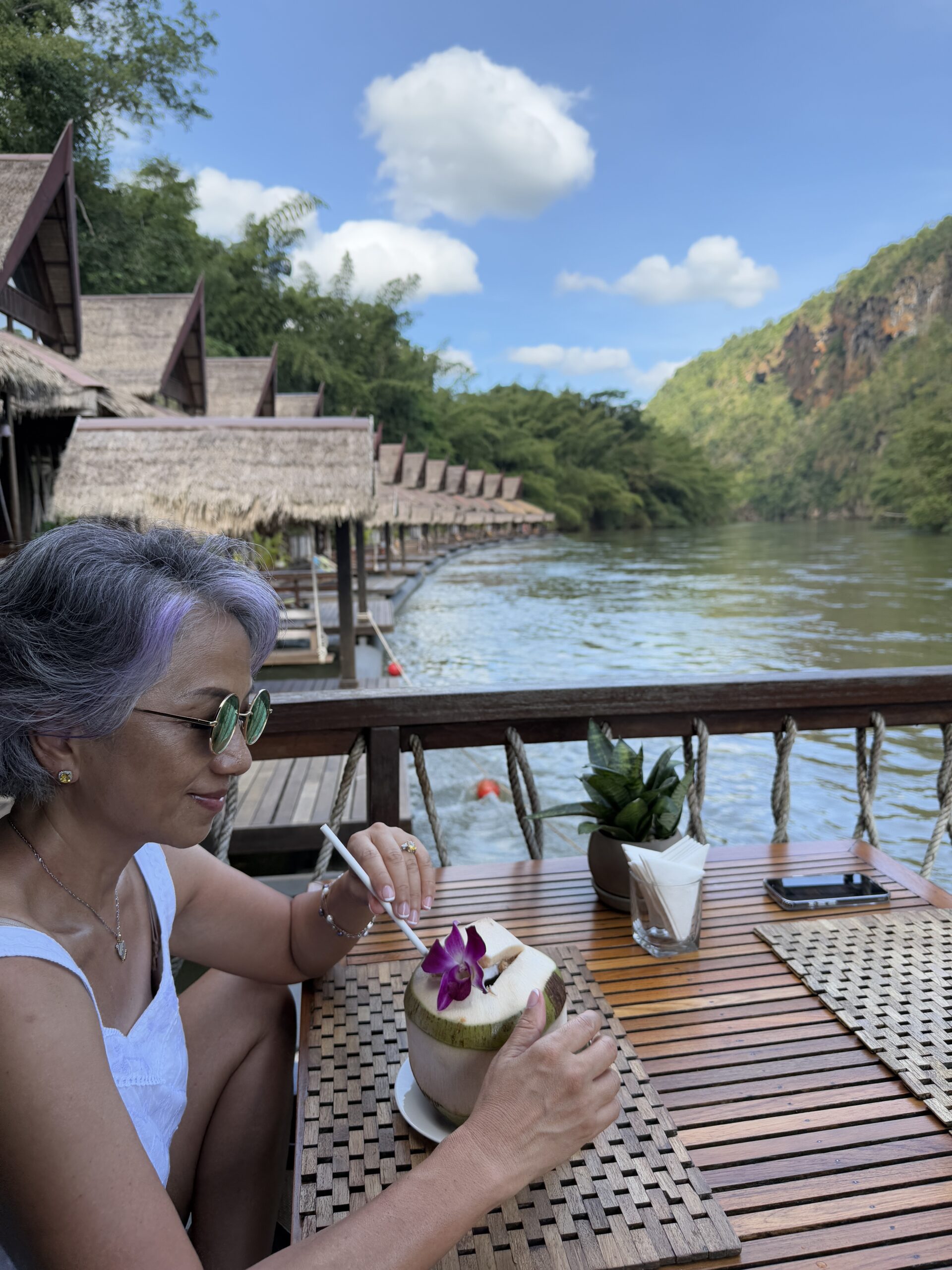
A few minutes upstream from River Kwai Resotel, is the hotel Float House and restaurant. The colorful chubby cushions made the open air restaurant very cozy and inviting, with the killer view.
We stopped by for a drink after Lawa Cave. Iced coffee, coconut and Singha.
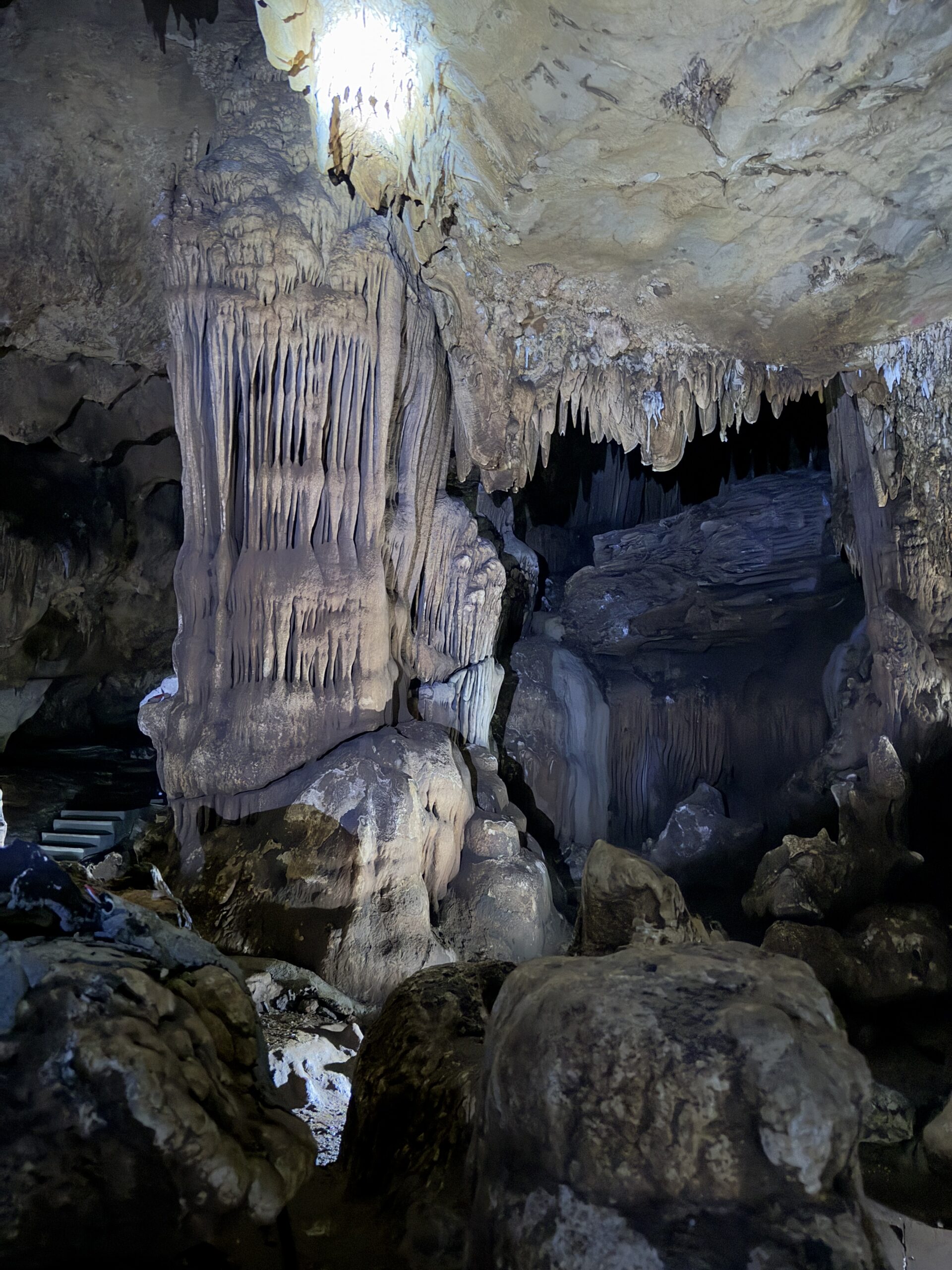
A small cave in Sai Yok National Park, is 10 minutes walk from River Kwai Resotel. It has bats but we didn’t see when we went in November. Many chambers have striking rock formations. We walked in at 9:11 and out by 9:40.
This garden is part of River Kwai Resotel. They collect palm species from around the globe and grow them here in their hotel backyard. It’s nicely maintained, very pleasant to walk around, with paved path.