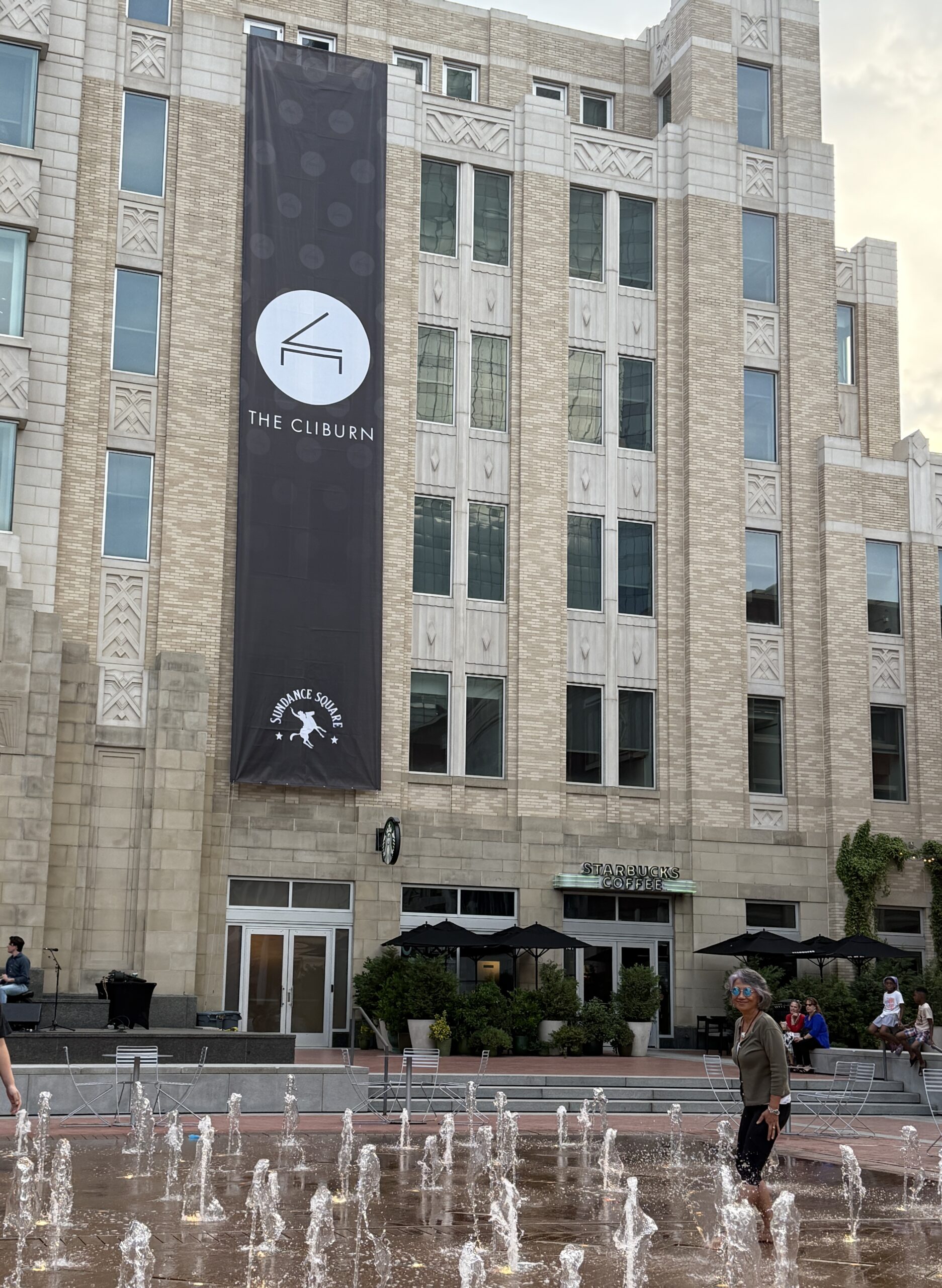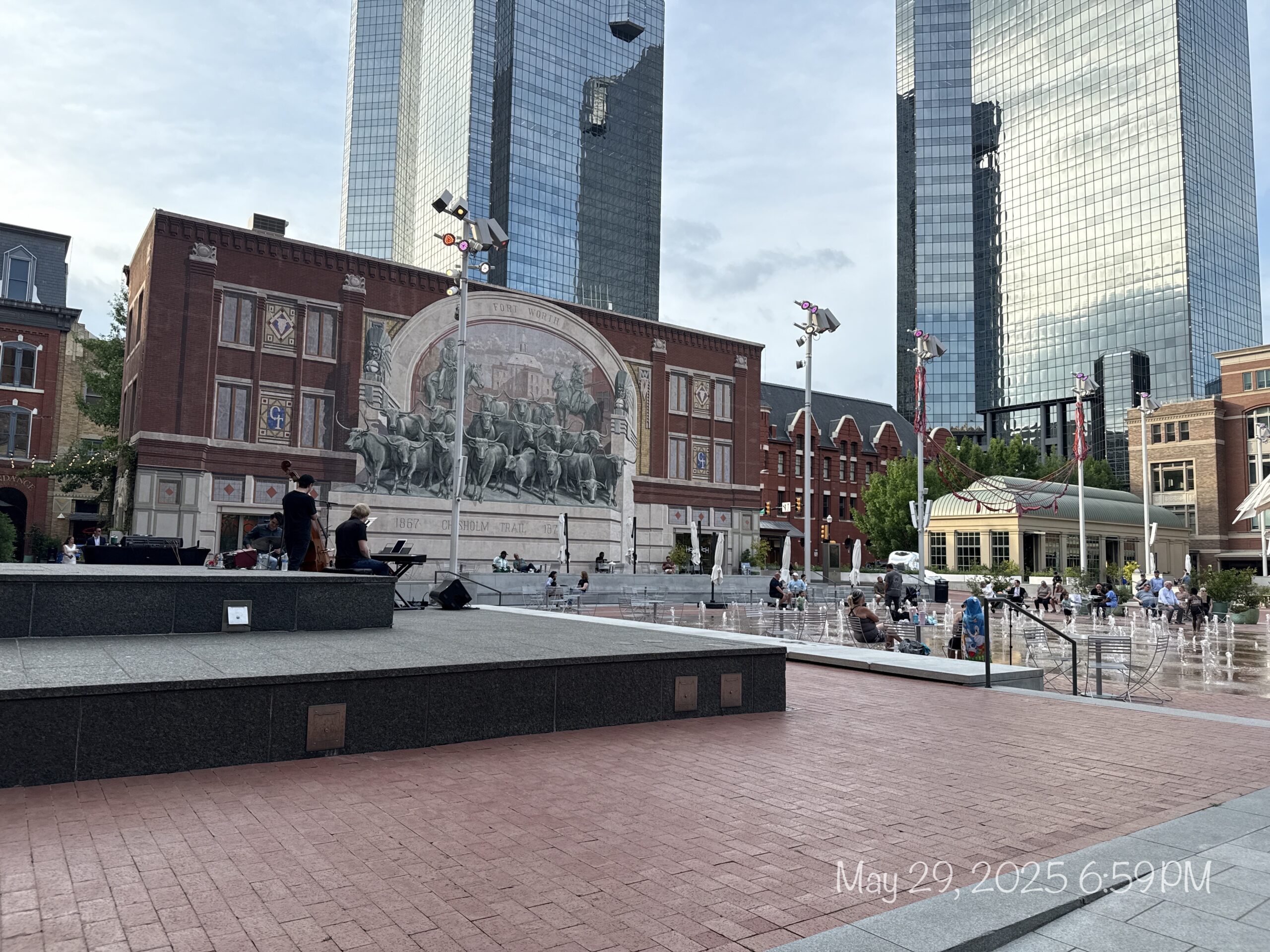
Fort Worth, TX 76102
… more pix on Reddit
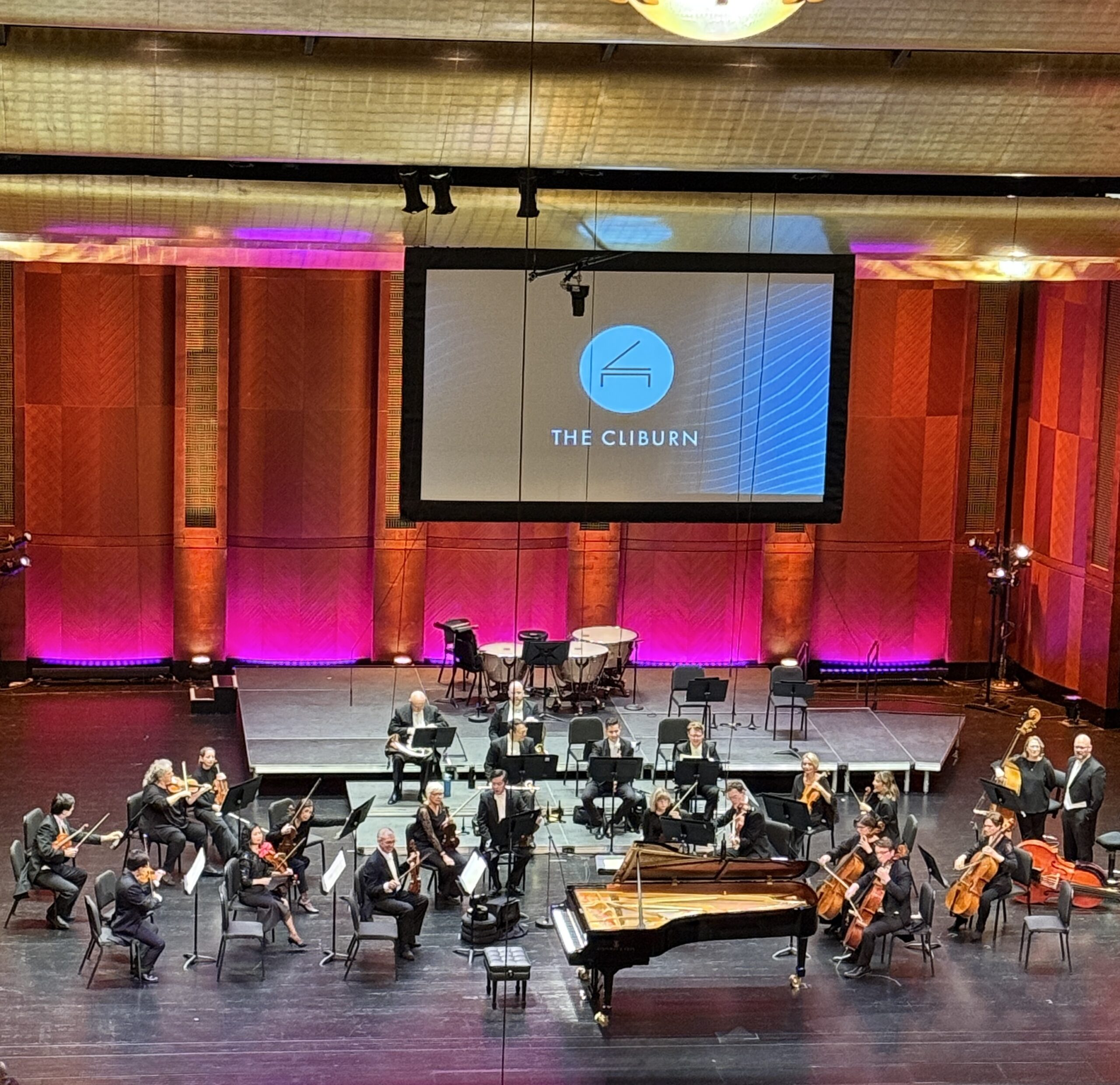
2025 competition is the 17th, since 1962 – every four years, (he won International Tchaikovsky Competition in 1958 in Moscow.) It was held in Bass Hall.
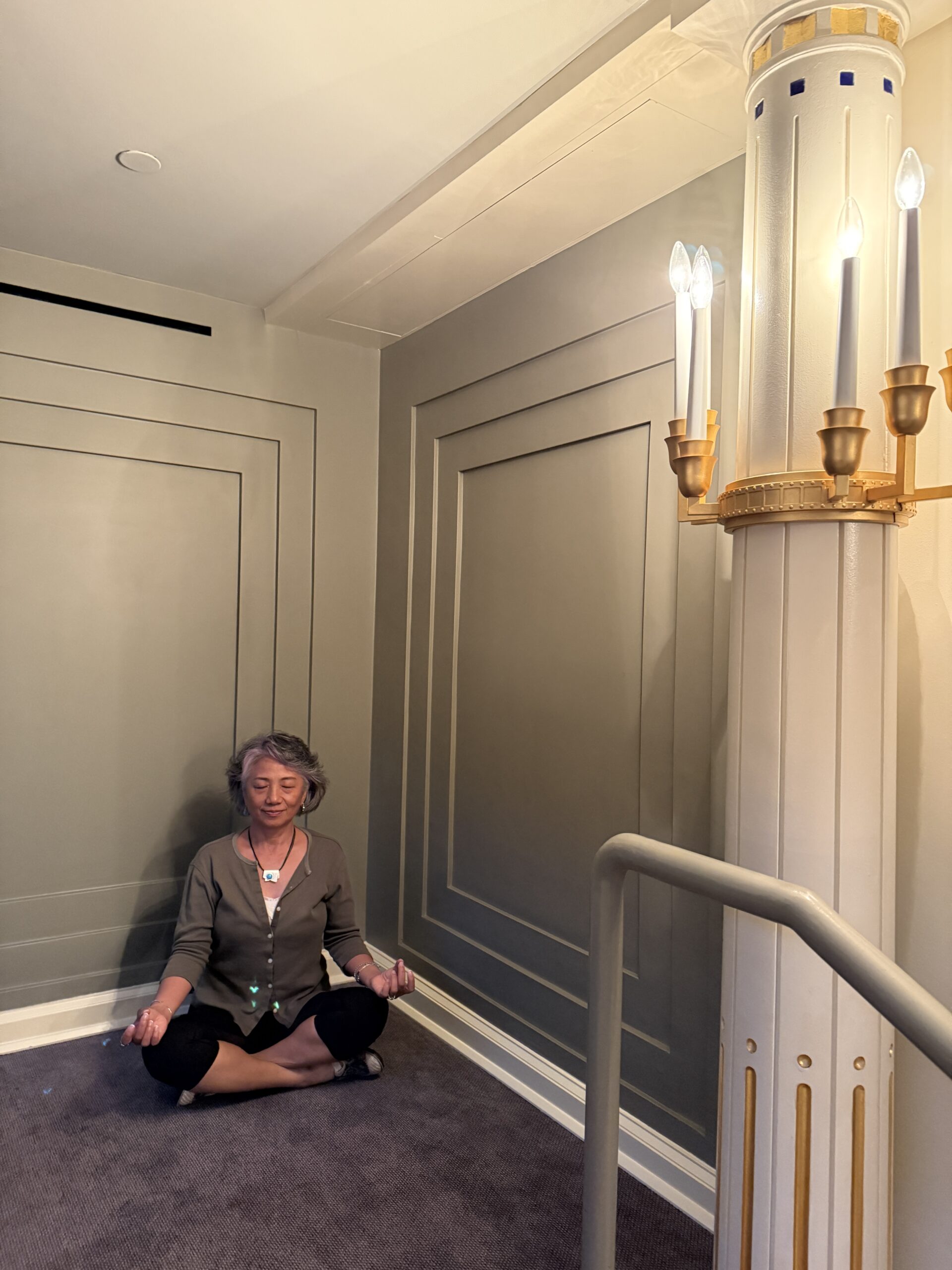
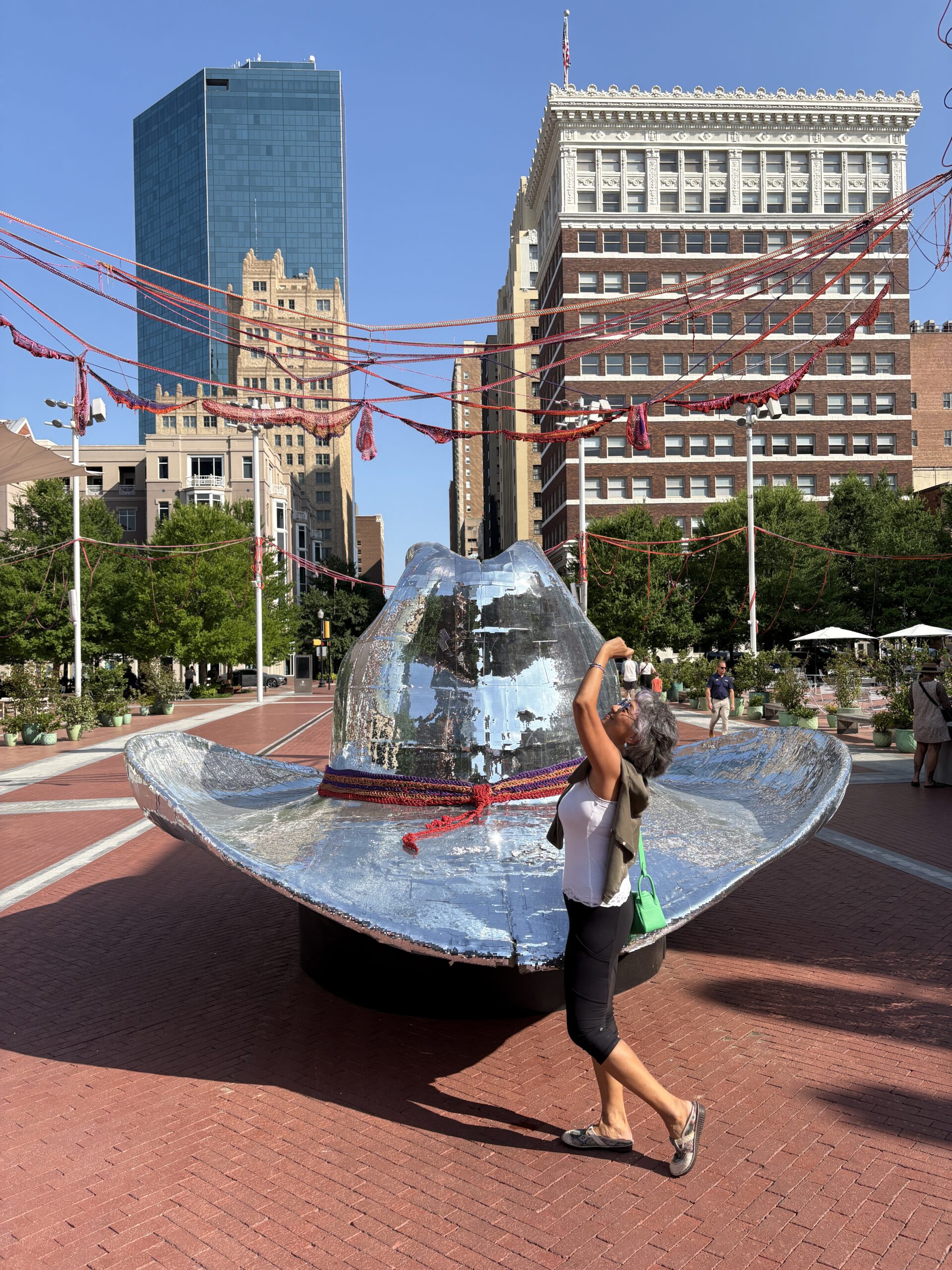
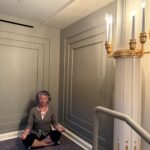
A little yoga during the intermission.
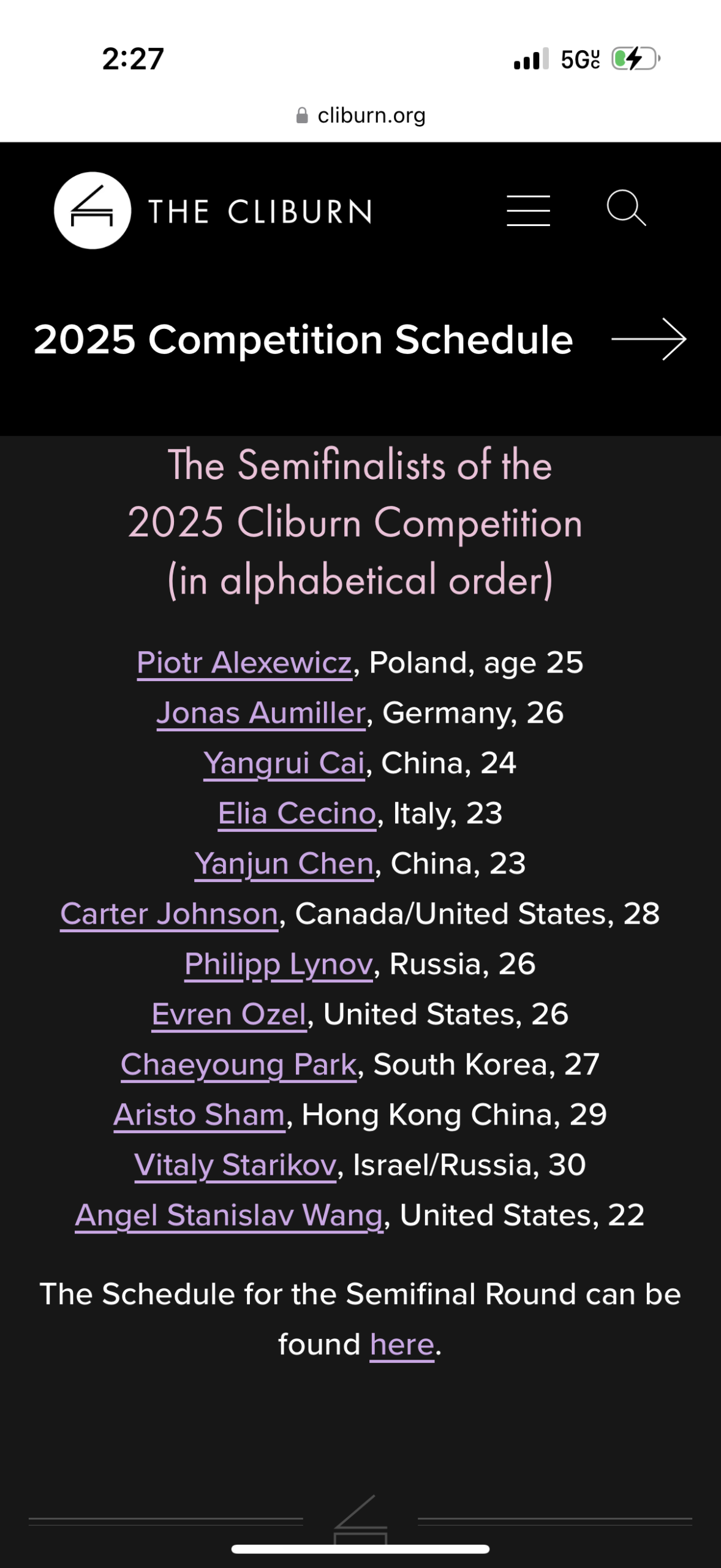
The 2025 competition has 28 competitors:
- the winner is Sham of HK: FW, Dallal News
- the final 3: Sham, Starikov, 30, of Israel/Russia, Evren Ozel, 26, of the United States
 the final 6:
- Carter Johnson, 28, Canada/USA √
- Philipp Lynov, 26, Russia √
- Evren Özel, 26, US
- Asisto Sham, 29, HK
- Vitaly Starikow, 30, Israel / Russia 2nd
- Angel Stanishlav Wang, 22, US √
- the 12 semifinalists
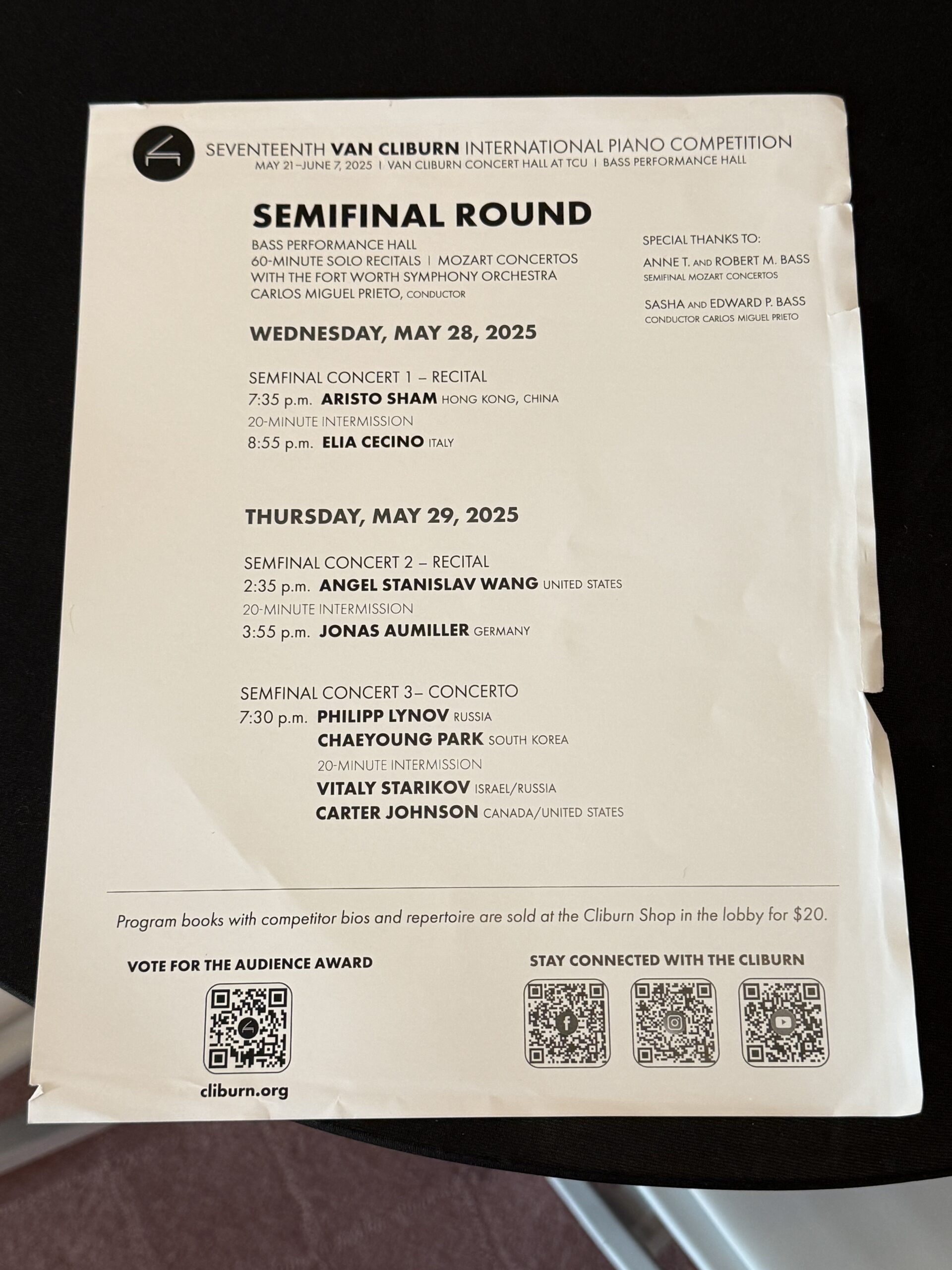
5.29 Thursday, Semi final #2: two recitals (2:30-5:00)
- Angel Stanislav Wang (22, US): final 6
- Jonas Aumiller (26, Germany)
Semi final #3: four piano concertos (7:30-10:00)
- Philipp Lynov, Russia: final 6
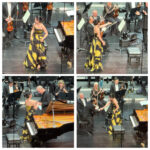 Chaeyoung Park, S Korea
- Vitaly Starikov, Israel/Russia: 2nd
- Carter Johnson, Canada/US: final 6
Definitely not a bucket list for me but I did want to come for over two decades: it runs every four years. In the past, either forgotten, missed or Covid… So I finally put this on my calendar last year, voila, there I went.
For the Bass Performance Hall, please see my review on Google – just posted: good concert hall but very silly security process that feels like harassment.
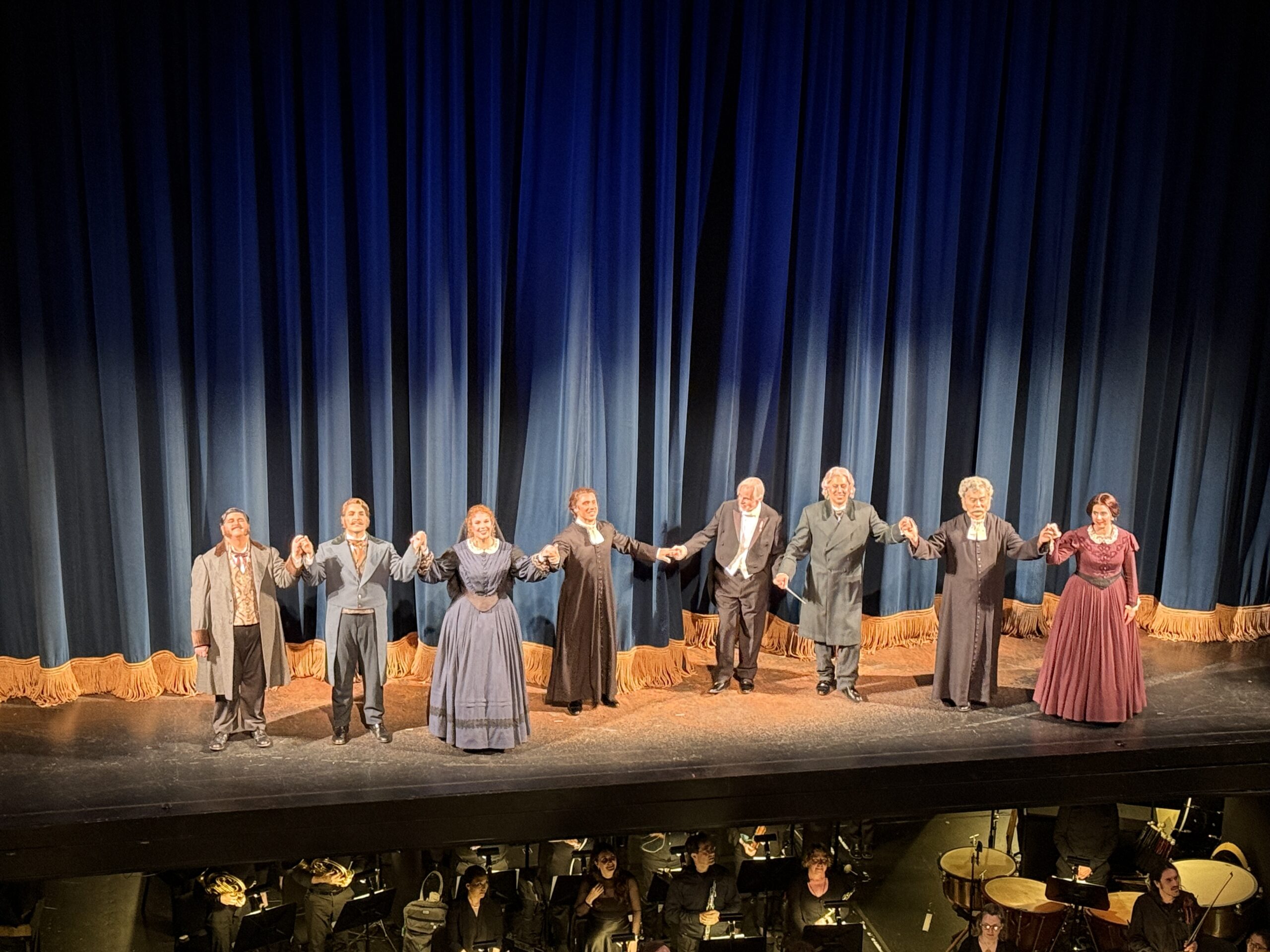
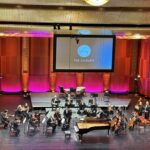 Two semi concerts today (#2 and #3): two recitals in the afternoon (about an hour each) and four (30 min each): happened, all played Mozart’s piano concertos in the night session.
They all played well, polished and poised. (We went to Chopin’s in Miami this past January and the quality of the pianists were not as good – ok, Miami’s was preliminary and this is the final run.)
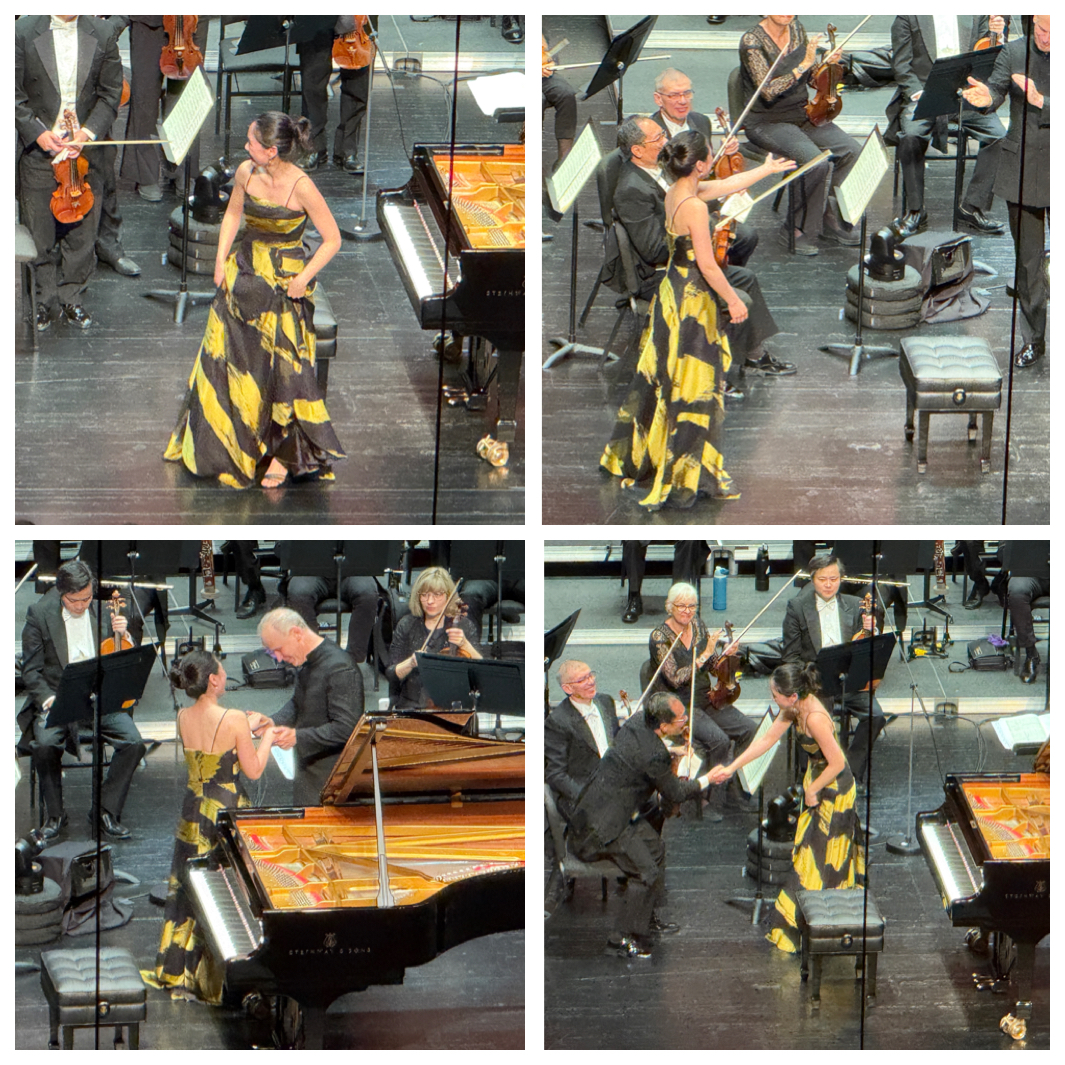
Between the two in the afternoon session, I prefer Aumiller over Wang: whose pasture is better and plays a little better too. Angel Wang has hunchback (?) which I thought could have corrected early on (his parents are musicians). The four, the lone woman impresses me the most (Chaeyoung Park, 27) who wears a yellow black dress like a bumblebee, which reminds me of Sunja in her youth, in tv series Pachingo.
 A thought: did most or all the musicians in the orchestra have gone through this stage – competing to be a soloist? I appreciate them all, virtuoso or part of a team. An elite person in any profession has an exceptional ability and drive but I always consider musicians are tough to be – physical and mental, think of their repertoire – how many millions little notes they’ll have to remember.
Logistic: We stayed in Dallas (Hyatt Regency), took the hour long TRE train to and from. Both ends is less than 10 minutes walk but pretty grungy (didn’t realize). Uber would take about an hour too. I’m a huge train head, would take it over all other types of transportation, whenever possible. Both stations Union in Dallas and Central in Fort Worth are empty, so is the train both ways. I felt I could handle it. (Local friends think I’m nuts …) It turned out, to be very enjoyable rides.
 … more thoughts on Van Cliburn – do you still remember him wining the first Tchaikovsky competition, in Moscow, in 1958? And Khrushchev asked if the dammed American was the best (ok, I add “dammed” – it was Cold War era and who knows, maybe he did say it?) Very regretful that he stopped performing publicly long before I came to US.
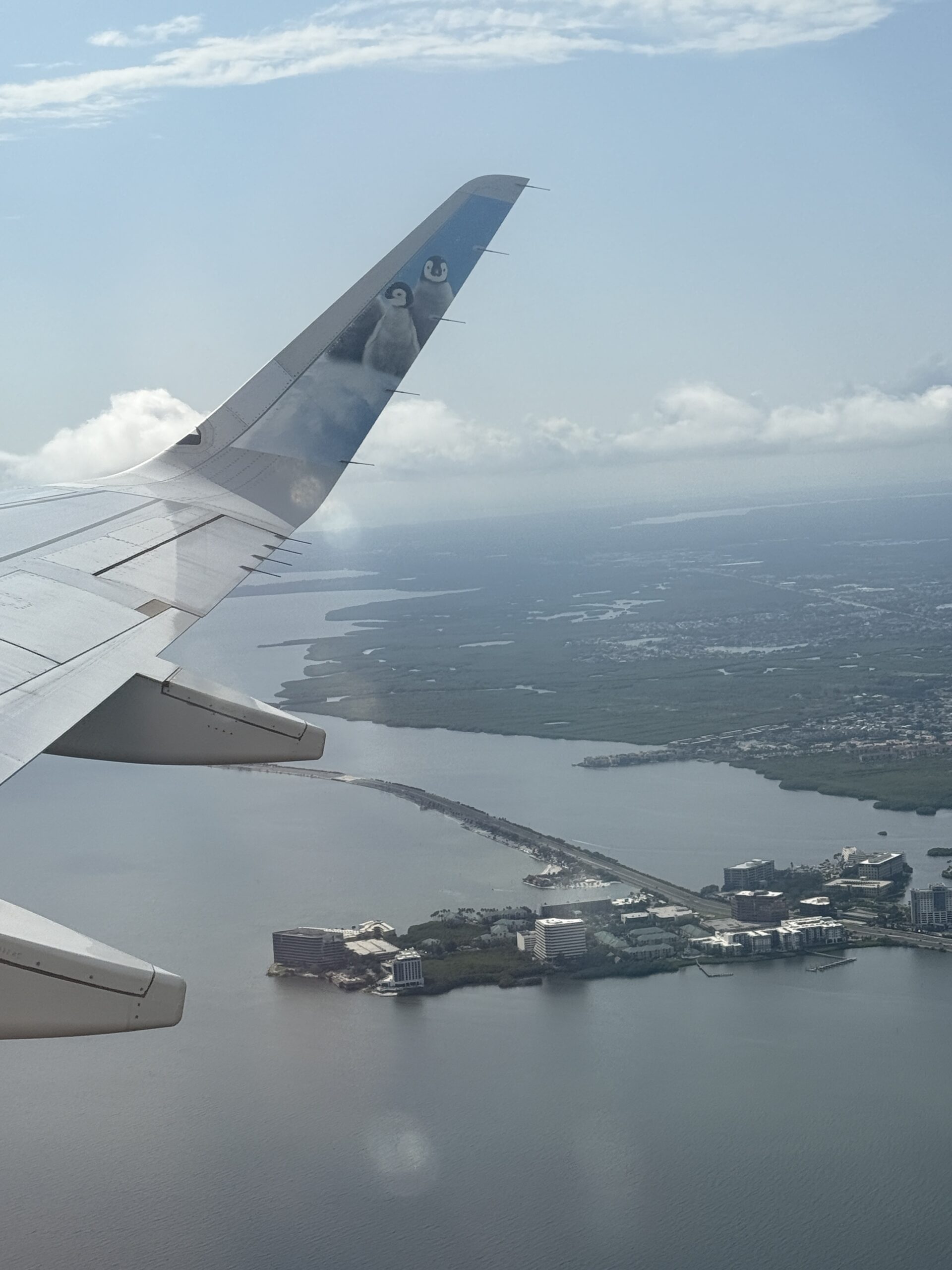
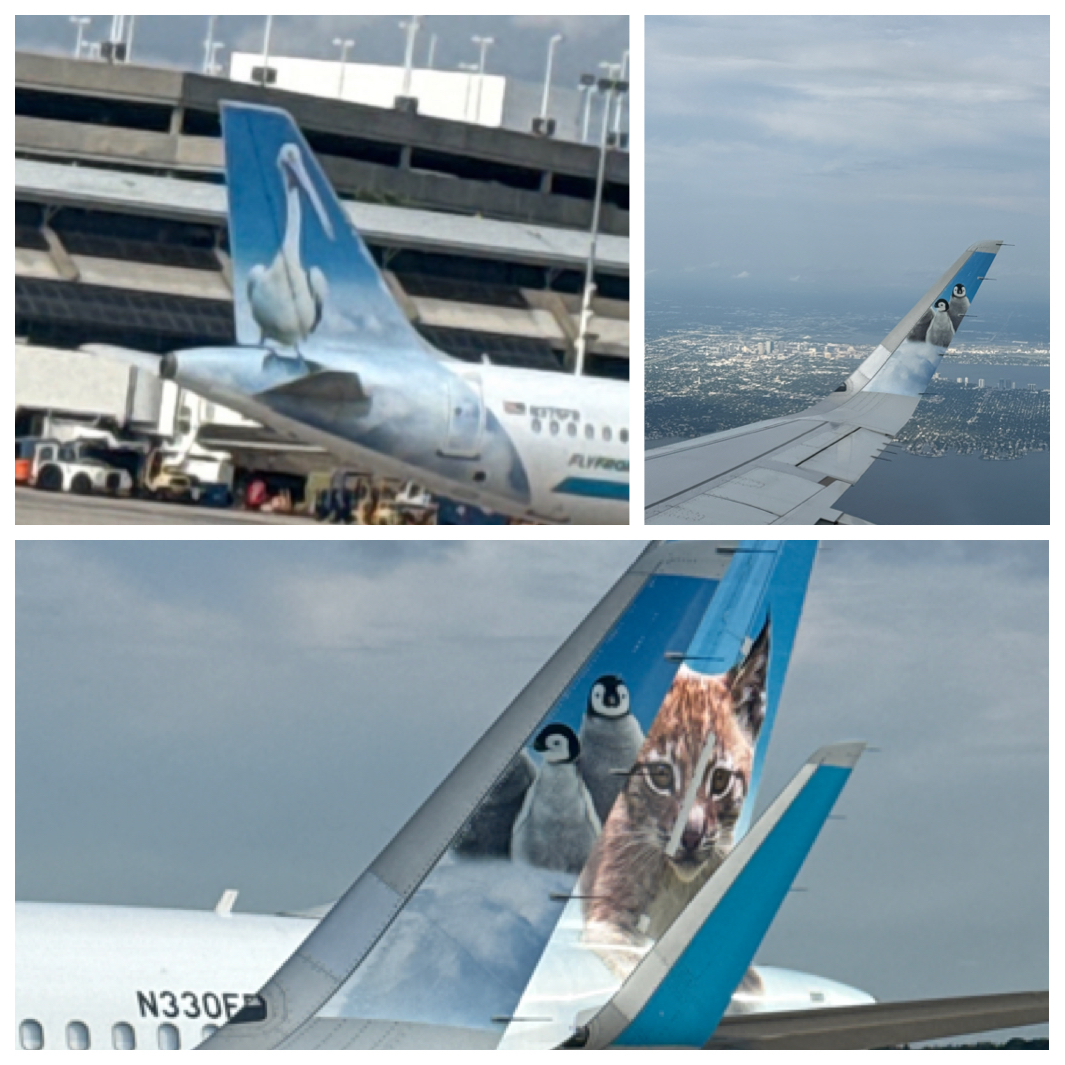 It’s my first time flying it. Because a tennis partner works for it, I thought why not trying it. I cancelled my AA reservation and switched, then forgot about the name of the airline. When I didn’t receive the checking in email, I’ve to go through my credit card to find the name of the airline.