One little on going surprise is that there are so many cranes in the skies – I thought by now Miami is pretty built up and saturated = done with. But guess not.
This floating market 水上市场/漂市, or more like village, spreads out along the eastern bank of Mekong River in Long Xuyen.
Long Xuyen (龙川; formally called Thủ Đông Xuyên) is the capital of An Giang province 安江省, in the Mekong Delta region of south-western Vietnam. The backdrop is newly built or in the process of building, low rise apartment buildings.
Ships need eyes -:)
Many boats look a like, which were built with the durable mahogany woods that they paint it with tar at the end of each year. Many of them live on their boat year around. Their children go to school on land, ferry to shore by small boat. People are very friendly.
The guide lives 40 miles (65 km) from here, who showed us some boats where he purchased, we also get to visit one of the boathome.
We also visited a boat, the owner has a 12 years old daughter who’s at school. The owner treated us to juicy watermelon. Our only question is, what do we do with the seeds and rind.
“It’s organic, throw into the water.” Buffalo said.
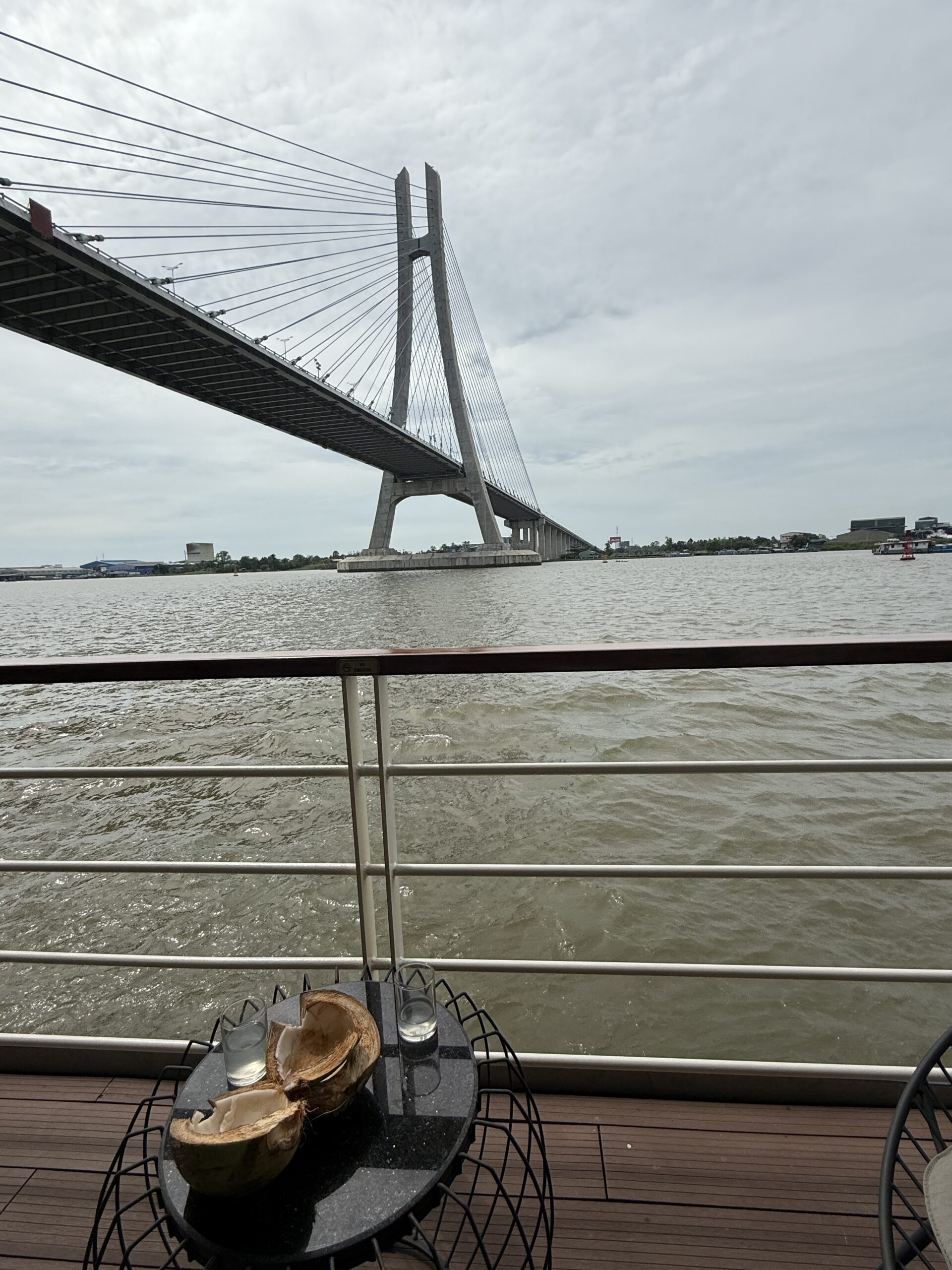
The guide served us coconuts and pineapple on the boat. He cut off a small piece to use as spoon, to scrape off the white flesh, which is very yummy.
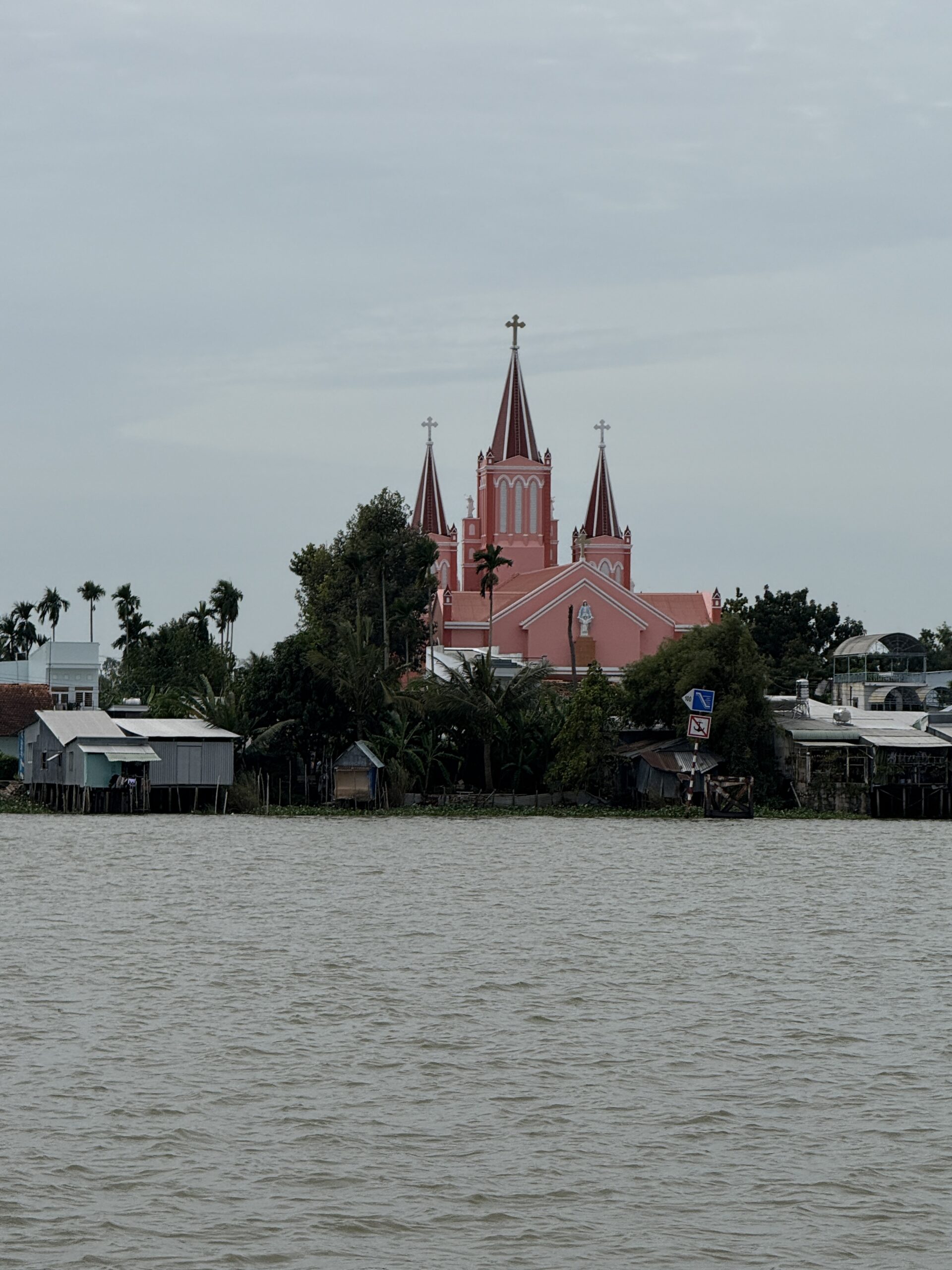
After the market, we continued on the Mekong, passing by a Catholic Church Giáo Xứ Mỹ Thạnh/My Thanh, (Google Maps). Mỹ Thạnh is a commune (xã) / village of Long Xuyen: population 26,100 (2019); and the culvert bridge (涵洞桥?), a little over a mile down south.
Under the rule of Khmer Rouge, Angkor Ban was chosen to be their billet. The buildings in this village were used as housing and storage. Thus, while almost infrastructures in Cambodia were destroyed, the wooden houses in this village still exist until today.
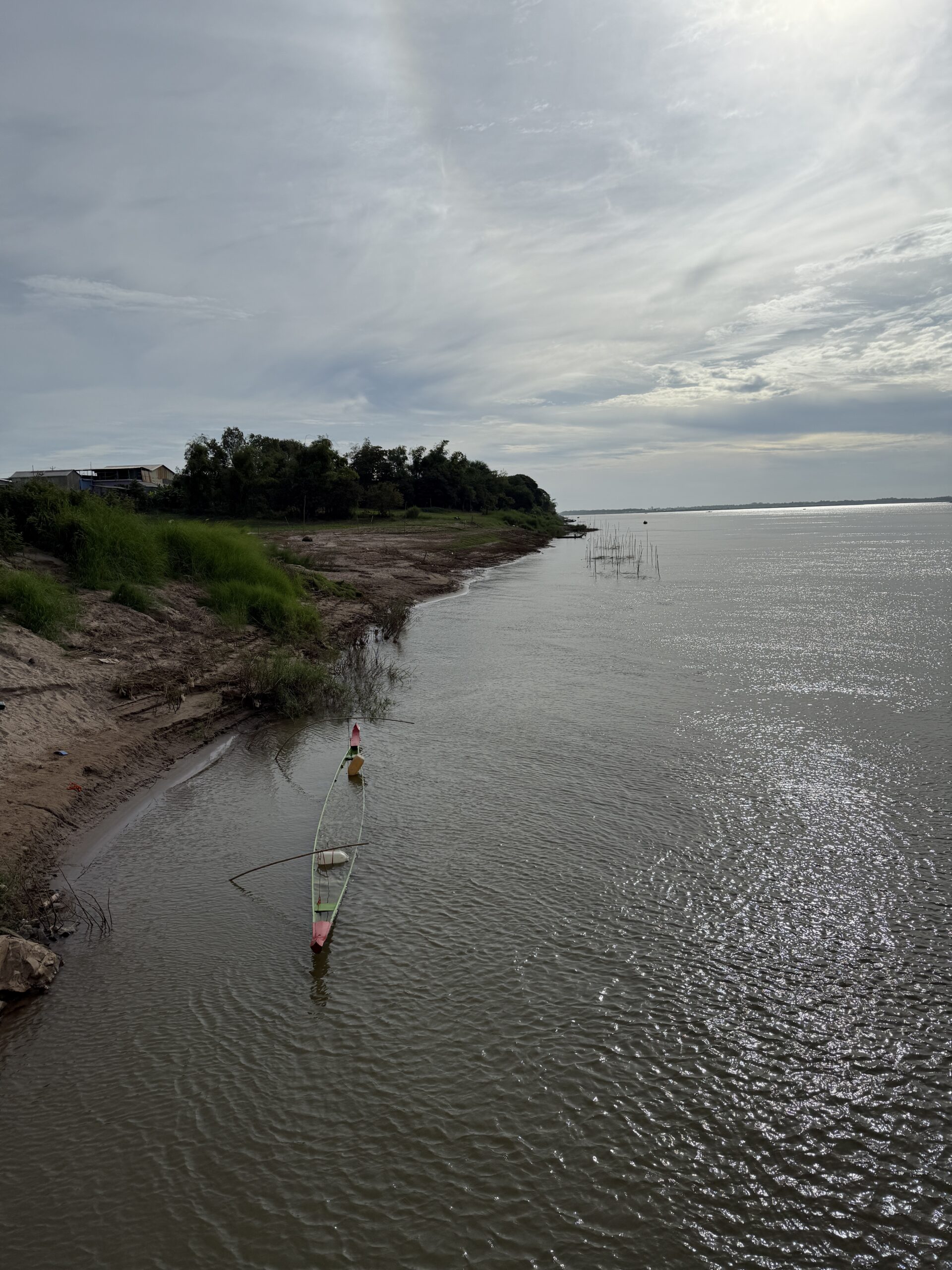
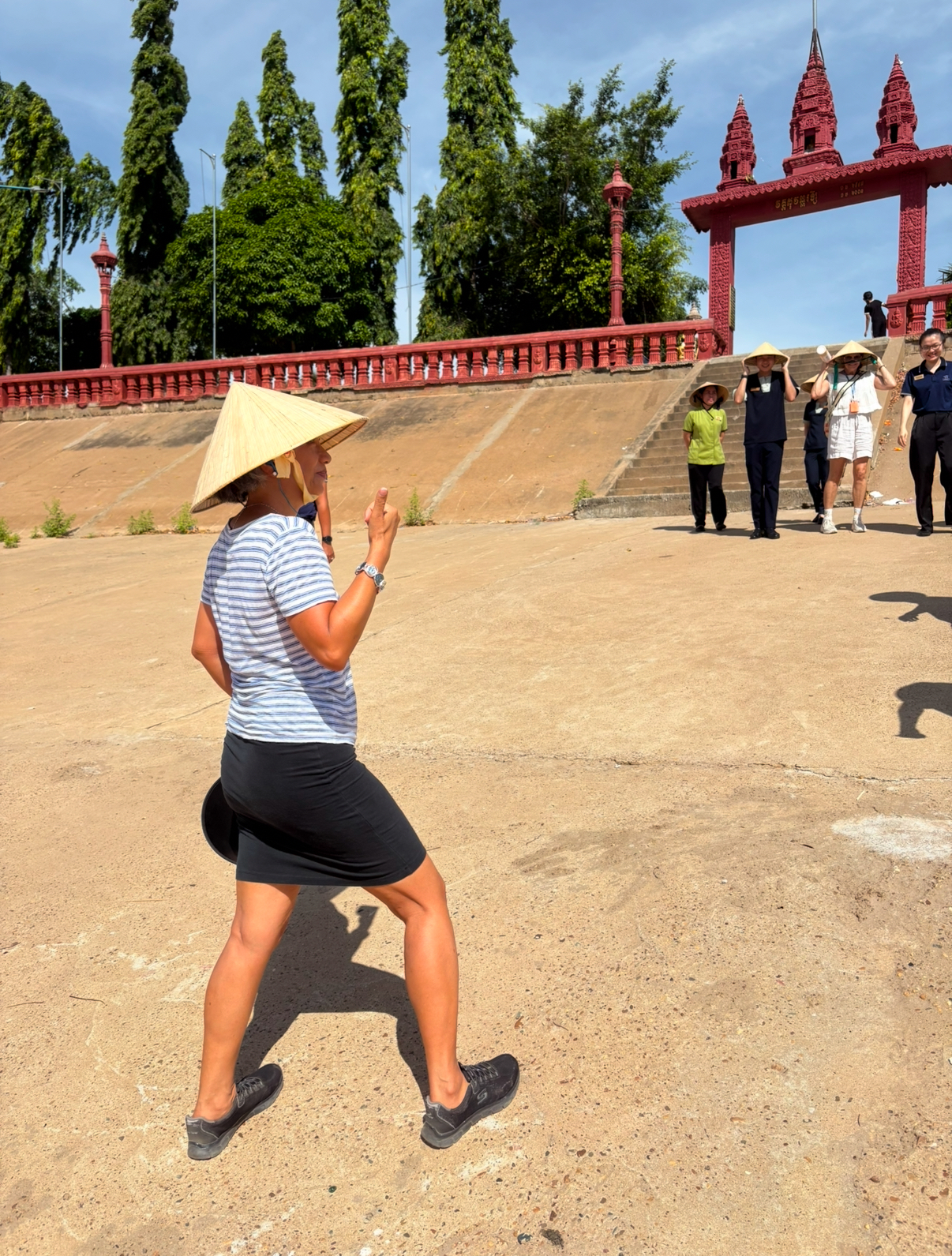
Ângkôr Ban is a commune in northwestern Cambodia. The entrance from the river leads to the village, temples and pagoda, where the monks, young and old live and study.
In Cambodia, becoming monk is rather casual endeavor: anyone can become a monk at any age, under any circumstance, and can quit after any length of time: a week and or years.
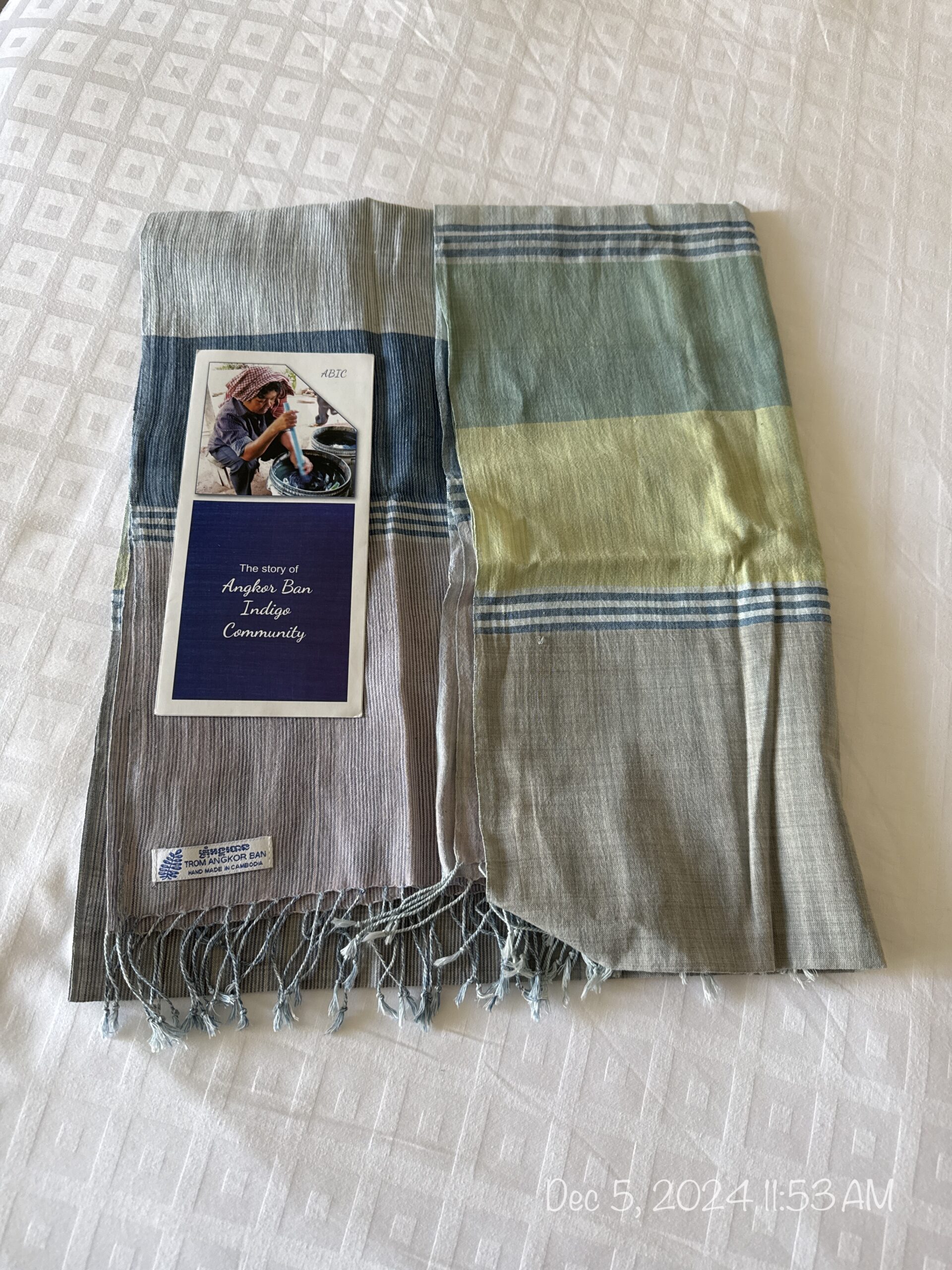
We then turn left, onto the village. Many women and girls are selling scarfs on either side of the unpaved path. The last stop was at Angkor Ban Indigo Community where a few women are weaving. Each scarf or table runner (however you want to use it) is $10. I purchased one, just to support the community: revive and preserve their traditional skill – not sure it’s worth the effort: given the fact that things can be made much quicker and easier …
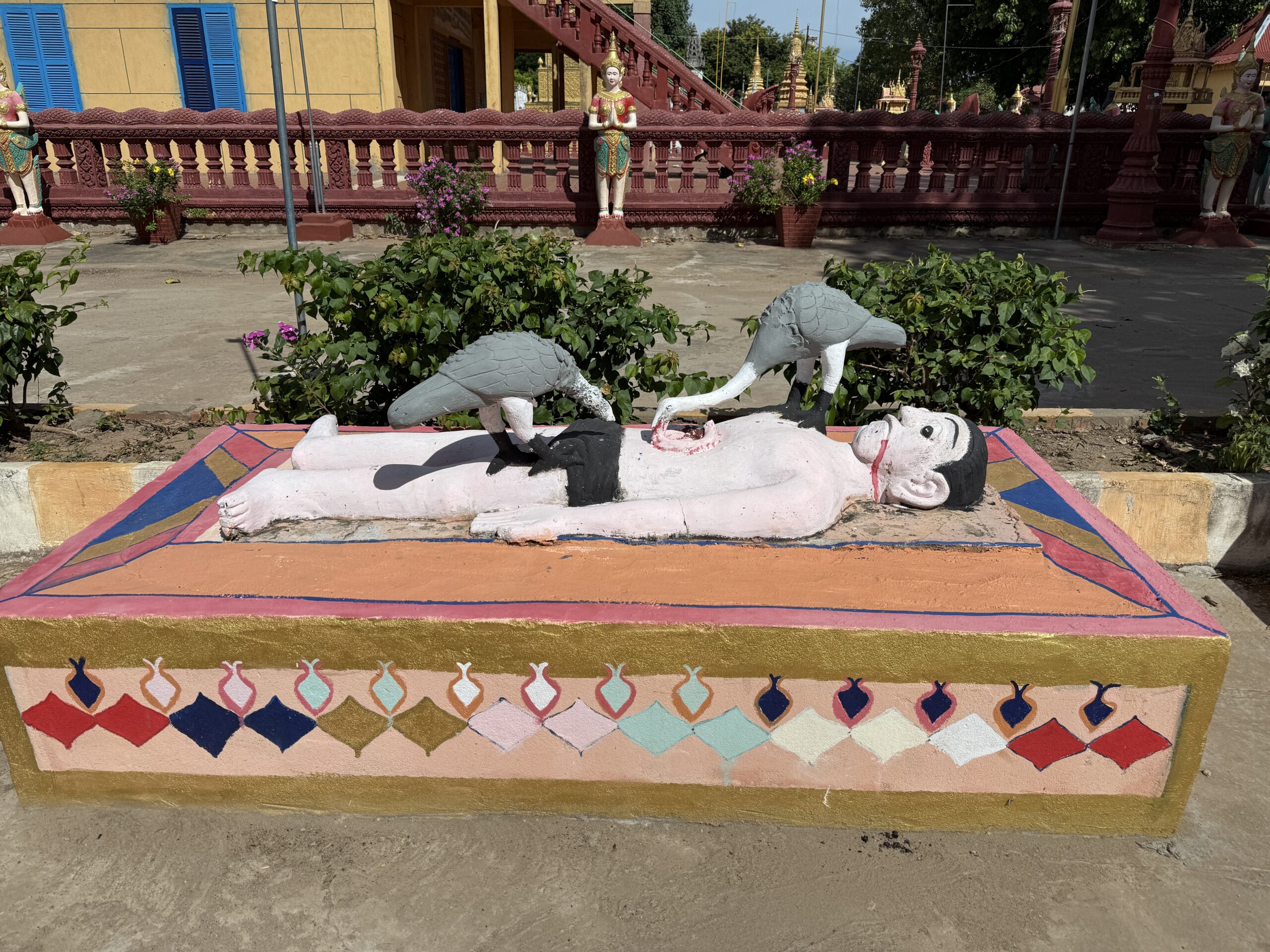
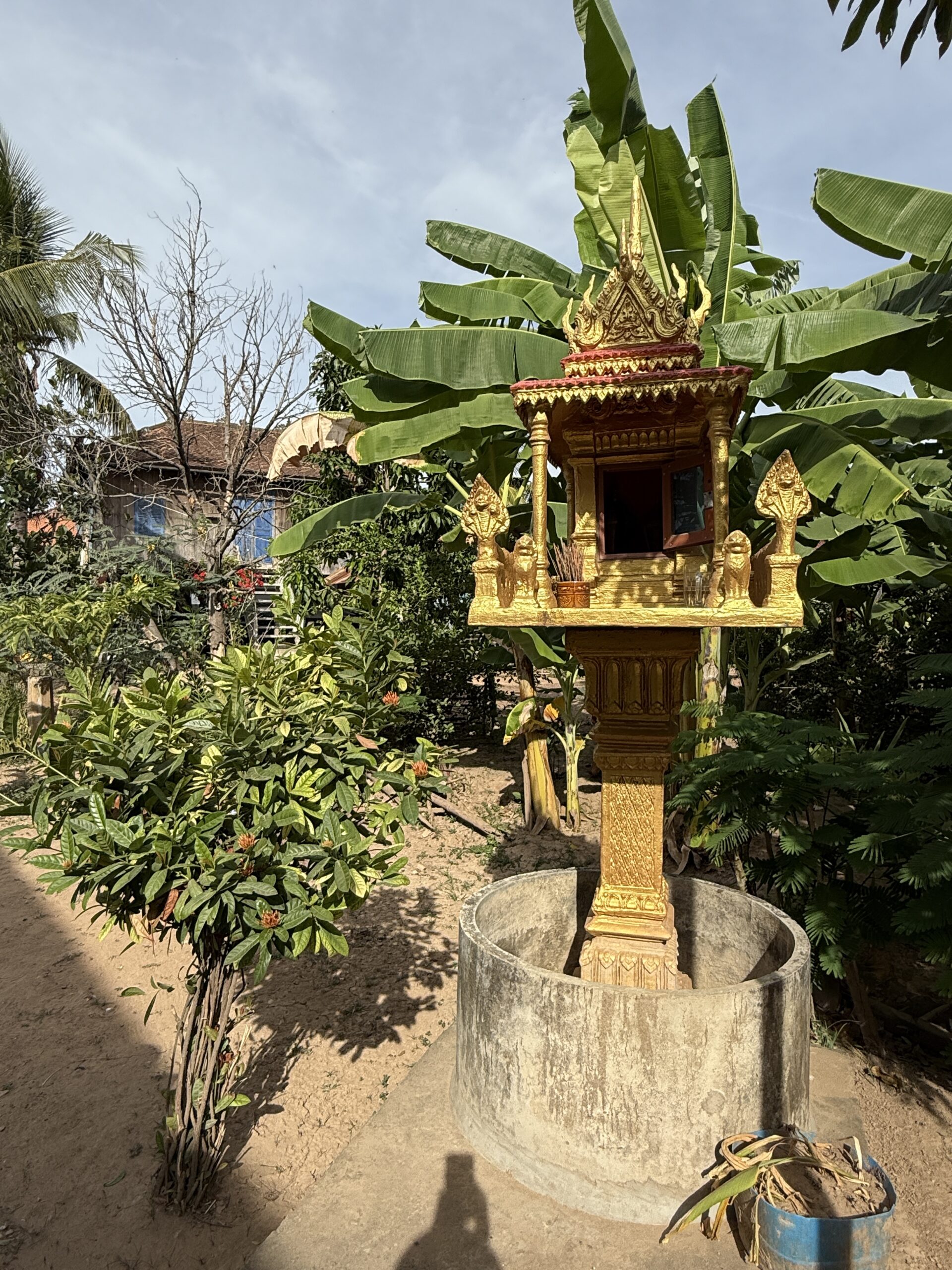
Is this some kind of burial?
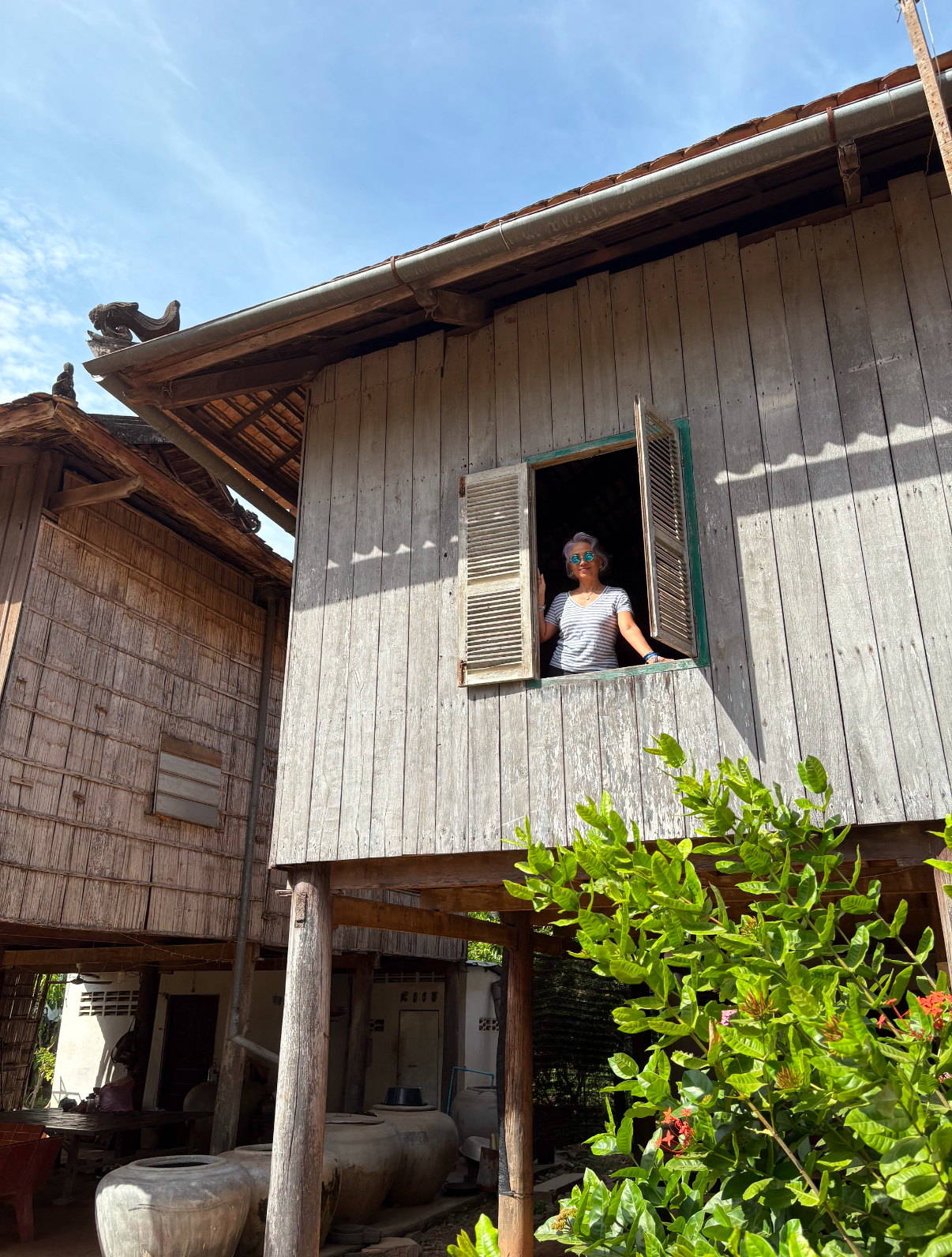
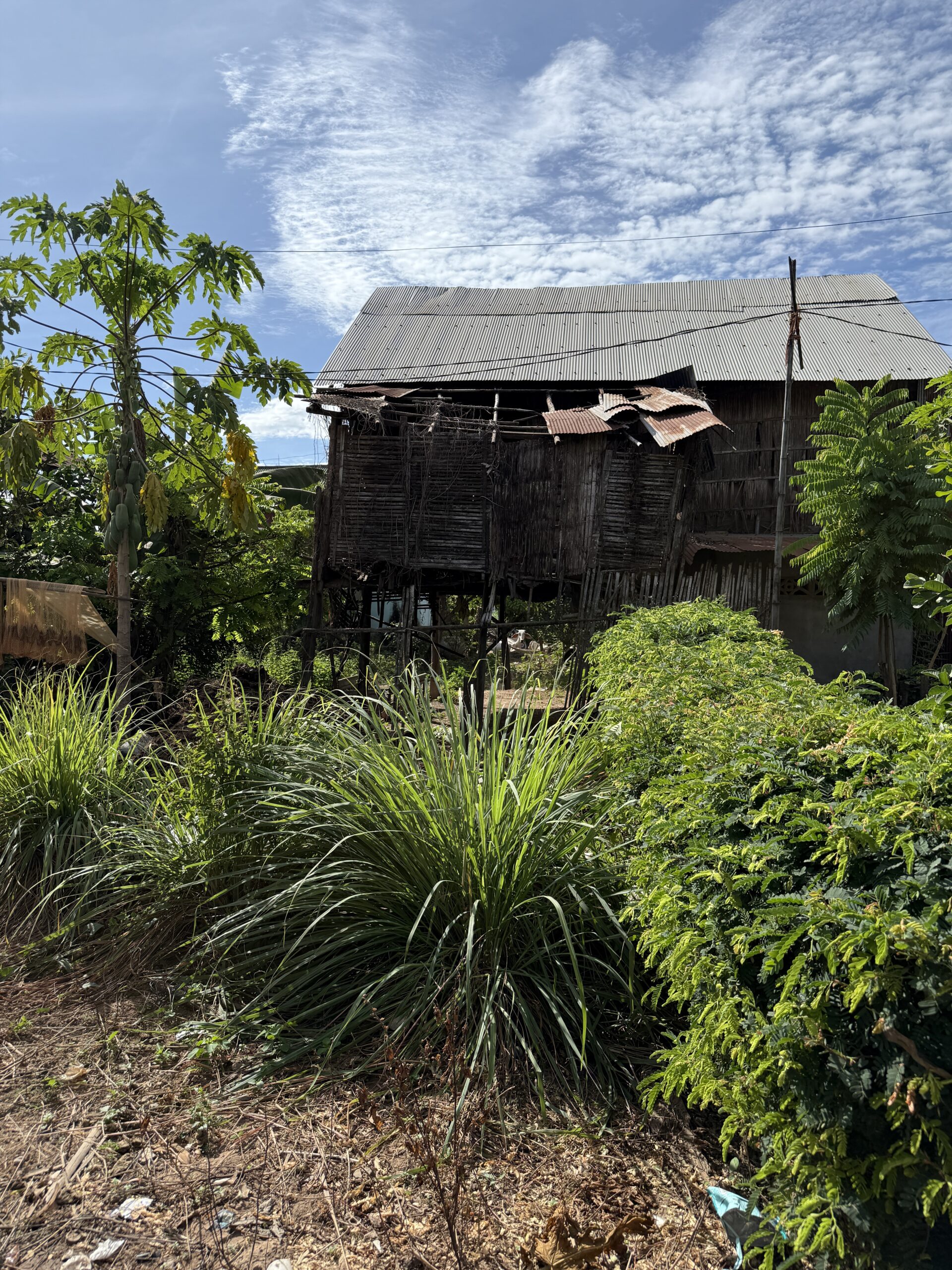
We visit a family: shoes off and hat off before climbing up to the second floor, which is their living quarter. The floor is made with bamboo planks, and each plank has gaps. I walked gingerly. But the house seems strong, because when I got up there, there were at least dozen of tour mates. It has a kitchen, a tv, but no bathroom.
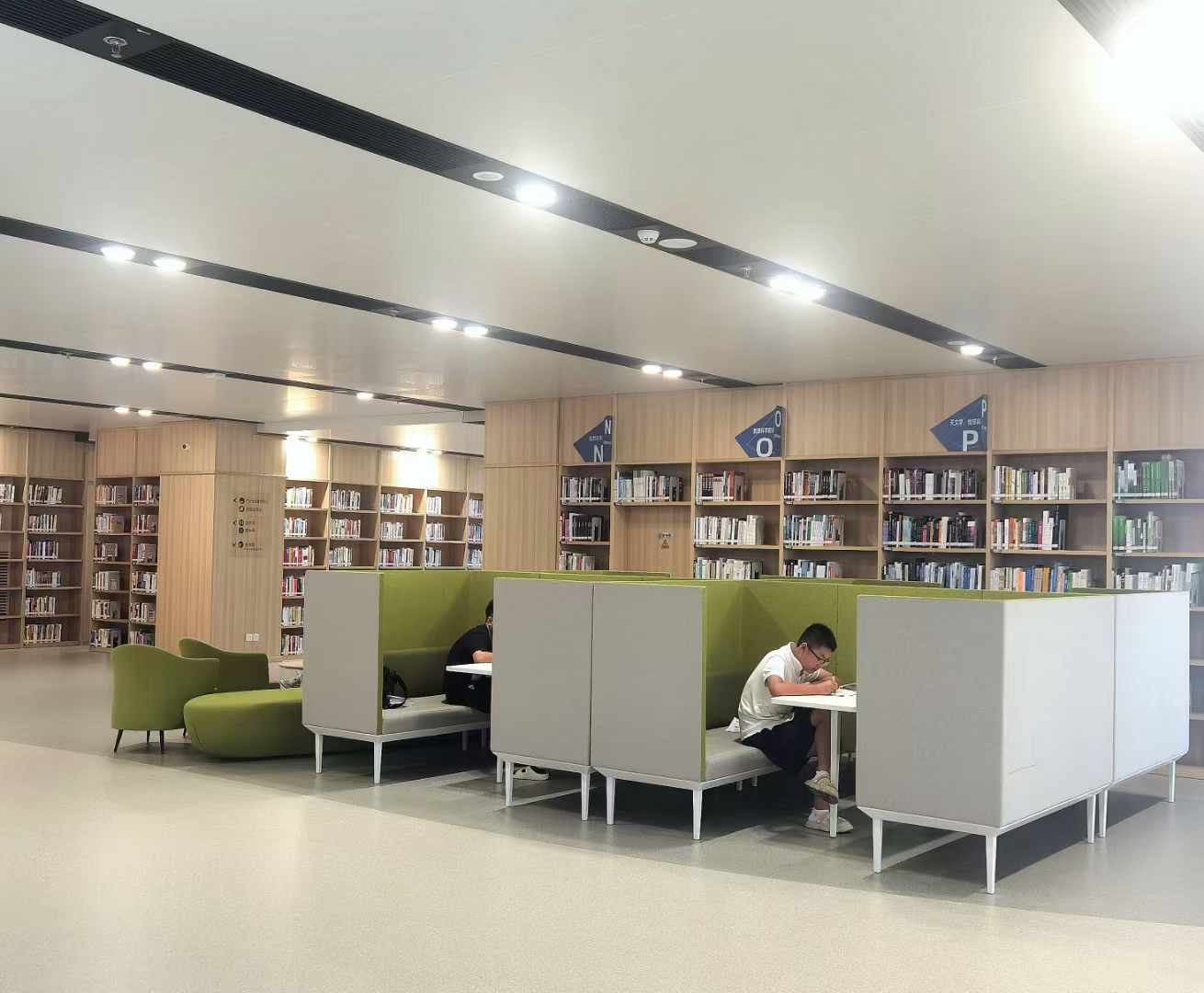
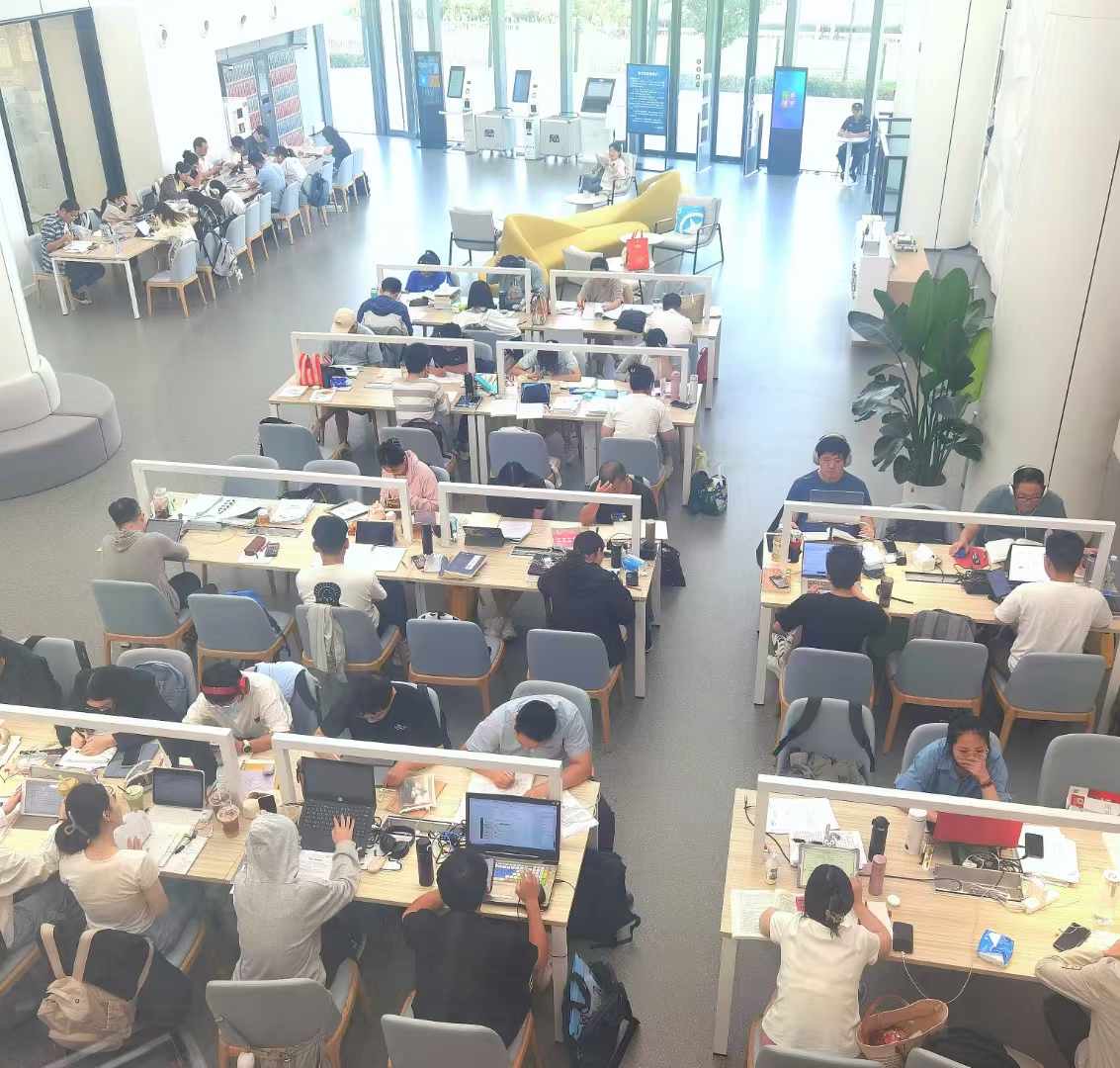
A new library in the North of River newly developed area in Nanjing: people are waiting for the opening at 9am every day, and rush in to grab a seat or two!
… 一哄而上 crowd up (?) describes acting rashly and simultaneously without organization and preparation. 一哄而上的抢独立空间座位 a rush to grab independent seats. … in a library!
WOW Wow wow … the violinist Julian Rachlin (1974-; Vilnius, Lithuania) is a conductor and, a better performer: enthusiastic and energetic – gotta to go to his concert, and bring your glasses or binoculars. His large and intense movement and facial expression are the highlight of the evening. I’d like to know
if he does warm up
if he gets tennis elbow
Oh gosh … everyone should go to his concert!!! Unfortunately at his age, he’s not going to have any break through and becoming that hot commodity. So do go while you can.
Hector Berlioz (1803-1869) Roman Carnival Overture, Op. 9
Wolfgang A. Mozart (1756-1791) Sinfonia Concertante, K.364 (320d)
a surprise piece by ??
Antonín Dvořák (1841-1904) Symphony No. 9, From the New World or New World Symphony
Sarah McElravy plays both violin and viola. She’s pretty, with a narrow waist but lacks virtuoso flair: holding her viola very low, I feel she looks like a cowboy performer than a soloist of classical music. Up class, the stage light is harsh on her.
The surprise piece: every now and then, they insert a small piece in the program. This time, it’s Krzysztof Penderecki (1933-2020). Without prompt – like no applause, she returned, followed by conductor Rachlin, to give us the surprise – a contemporary piece. Can do without it. The reason of this piece: McElravy said she and Julian Rachlin performed at Penderecki’s funeral, per his wish.
Bathroom issue: the toilet water is brown, which is unfortunately … yucky.
One of our neighbors is volunteering as the usher and he found us from the second floor – we were playing bridge on Monday mentioned this concert.
The real surprise is after the intermission: a spectacular performance by Rachlin when he conducts Dvořák’s Symphony No. 9, New World Symphony while he was in US, and was premiered Carnegie Hall in New York in 1893 – a lot of Americana in it. Rachlin is on fire … I normally listen to concert and tonight, I’m on the edge of my seat, watching! What a treat, his movement is dramatic and flashy (hence my tennis elbow wonder…) thank you conductor. I sure will come for more. As soon as the last note ends, a man yelled out: BROVA and the applause is thunderous.
They allow patrons to bring their glasses to the seats … and one broke. Someone has to come in with broom to clean it up.
Our dinner at Steelbach is good too: a good prelude to the weekend.
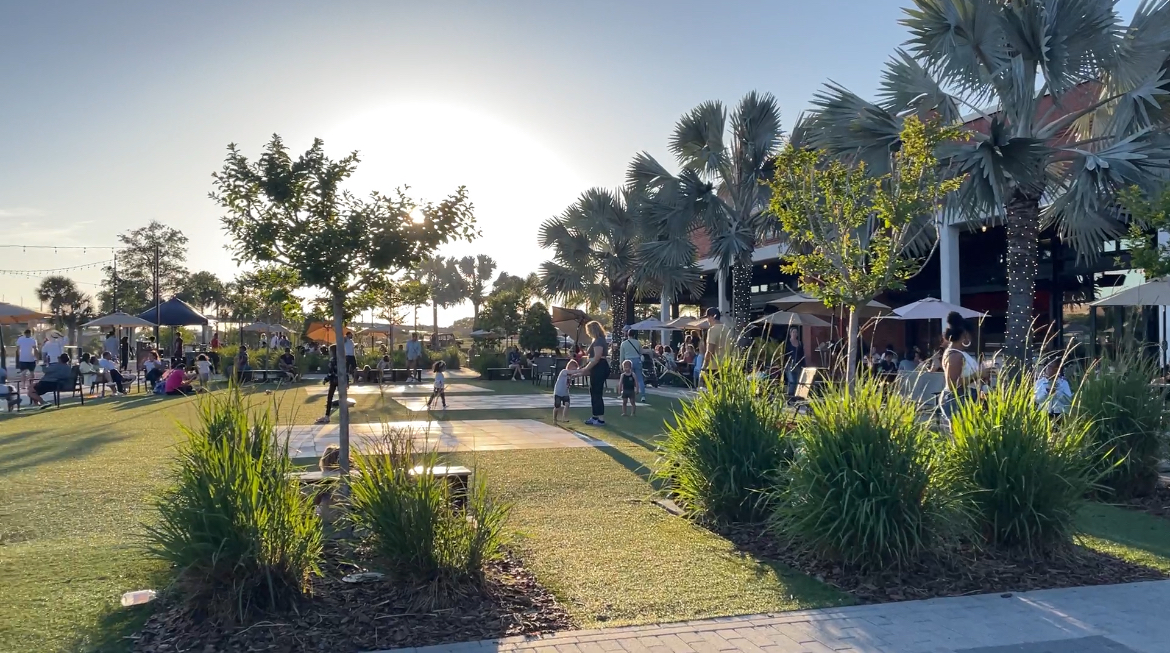
Tampa RiverWalk is a 2.6 miles long open space pedestrian trail along the Hillsborough River. The part we go often is from ArmatureWorks (where we park and dine) to Straz (concerts and shows), which is 0.8 miles, and is a good place to watch sunset. It’s serene and scenic.
Skateboards, bikers, strollers and dogs are part of the crowds on the trail, and taxis, tiki boats, jet skis fill the river.
A beautiful and well maintained pier in the Glória neighborhood.
It has three restaurants: Bota, Kitchen, a fusion and an Argentina Corrientes 348, but non of them are on the water. Maybe their sensibility is different from ours.
We’ve dinner at Bota at around 6pm: empty restaurant, large portion, good service. The couple of tables are all drinkers.
Deodoro da Fonseca (1827-92), a military officer turned the first president of Brazil in 1889. The equestrian statue of him was created in 1937, by the Brazilian sculptor Modestino Canto (1889 – 1967).
Near by is a Sunday market that sells produces, foods, second hand goods …
… A Chinese woman is picking … I consider this a selfish and terrible habit 缺德的陋习, and always wonder what do these pickers think:
that the rest of us should buy her leftover?
… if everyone is like her, she in fact, is buying the left over of other pickers like her
At the Market, did I realize Rio (or Brazil, in general?) is a cashless city/country, which fits me just fine. For the past few years, the US based credit cards don’t even ask us to register when traveling abroad: just go and we’ll handle the rest (might be the chip on the cards?) – which is all the more convenient. From restaurants to small vendors with a few water bottles to sell, they accept credit card, mostly Visa and or MasterCard. Every road and corner there are multiple street vendors, some with push cart some with a backpack, selling cold beverages – can cafés survive the competition, or some the street vendors are part of the physical establishment near by? From the second day on, we don’t even bother to bring our water bottle: fresh coconut and cold drinks are so readily available at your finger tip. 喜欢信用卡的通行度. 满大街卖冰/水的小贩们 人手一个收银机. 在这个背后 不知道信用卡公司的努力… 小咖啡店的挣扎. 相比之下 德国小商店/街市都还是现金… 对我这种从来不换当地货币的懒人来说 非常方便.
What’s the back story: how and what did credit card companies do to have such wide usage in a third world country (a/c is NOT guaranteed in shops …), and how and what do stores/cafés do to win the competition?
From our hotel in Centro, it’s a short and easy walk to PraçaParis, and a huge market is next to it, selling produces, foods, second hand goods … After the long walk, we turned away to Escadaria Selarón.
2024 festival is in February, from Fri 9th afternoon to Wednesday midday, 14th.
The Carnival in Rio de Janeiro / Carnaval do Rio de Janeiro can trace back to 1723. Nowadays, revelers, floats, and adornments from various samba schools (about 200) put up the show at Sambadrome Marquês de Sapucaí, to compete to win. During our stay from 9th to 11th, the streets are filled with dressed up or dress down people (depending on your definition … wink wink ), all in festival moods.
We purchased the tickets online but have to go to a hotel in Copacabana (Copacabana Mar Hotel @ Rua Ministro Viveiros de Castro, 155, Copacabana, Rio de Janeiro – RJ, 22021-010, Brazil) to pick up the physical one, as if digital tickets couldn’t be issued or produced 脱裤子放屁. Given the fact that even the smallest street vendors, with a few bottles of water have a credit card readers, it’s beyond my believe that The Carnival can’t issue digital tickets.
Sambadrome Marquês de Sapucaí (Passarela Professor Darcy Ribeiro or simply the Sambódromo) was built in 1984 (renovated in 2012), specifically for the carnival: a narrow and long stadium with seats on either sides.
Uber can’t get to the entrance because of the closed roads. It’s just like any big events, with people, food vendors (definitely less, much less than the major league stadiums in the US), special events areas, securities, garbage removal, …
Sitting there watching the parade, I’m wondering if the stale costumes are made in China. We didn’t go for the Sunday and Monday, which are the most important days because I’m not all that crazy for the carnival. We left during the first intermission. The ultimate winner is Viradouro.
… the gathering on the streets, actually aren’t bad at all, starting from our hotel at Ibis, on the mornings of 10th Saturday and 11th, Sunday:







 小商店/街市都还是现金…
  对我这种从来不换当地货币的懒人来说 非常方便.
 花车还是几条大汉推的.
